
PM Vishwakarma Scheme: A Guide for Women Artisans and Craft Families
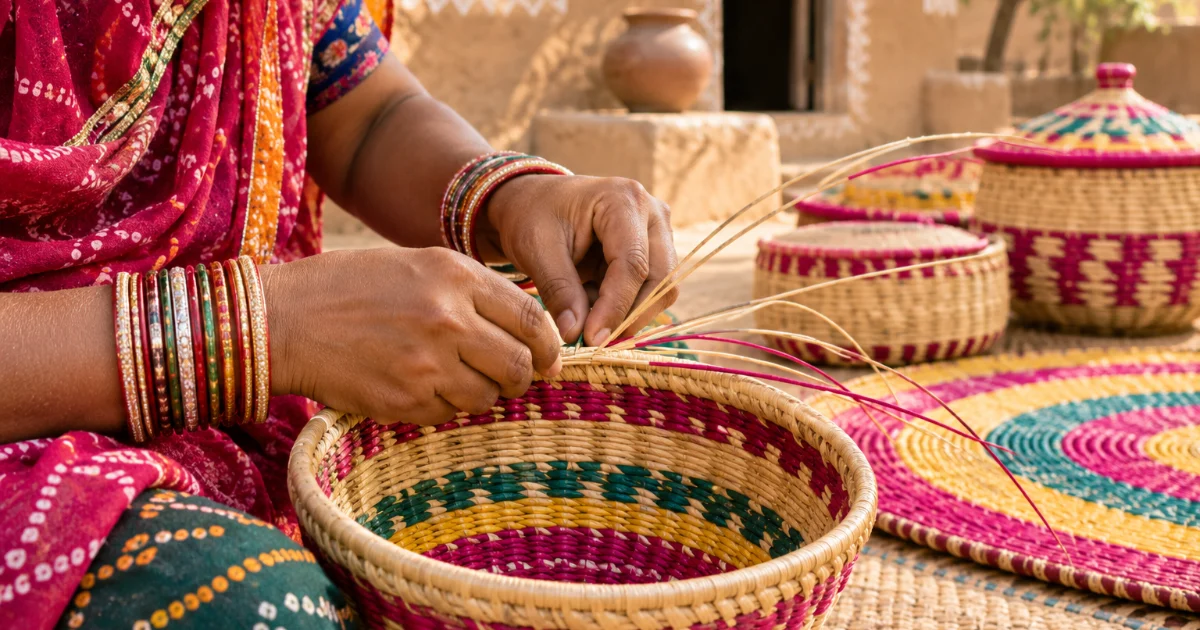
In villages and towns across Rajasthan, women work alongside their families in traditional crafts — tailoring, pottery, basket and mat weaving, garland making and more. The PM Vishwakarma scheme recognises these artisans and offers training, tools, credit and market support.
What the scheme offers
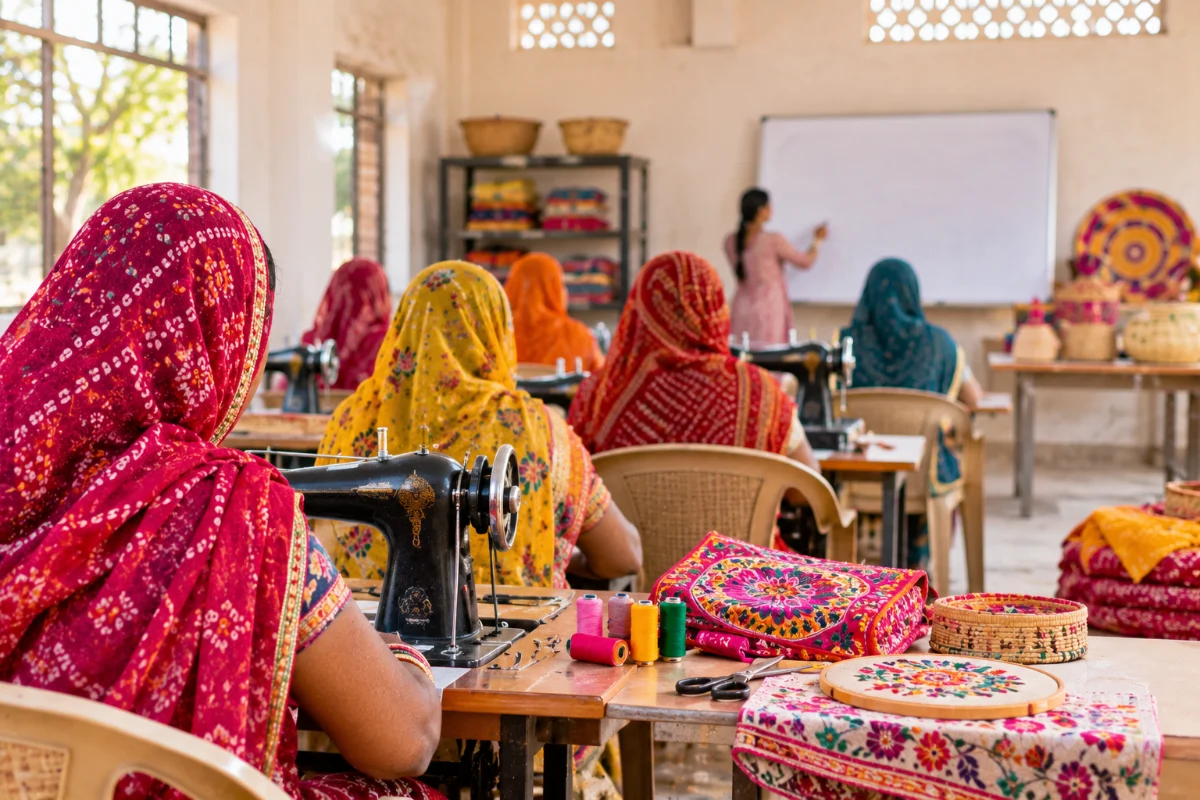
PM Vishwakarma, launched by the Government of India in 2023, supports artisans and craftspeople working with their hands and tools in notified traditional trades. Registered beneficiaries receive a PM Vishwakarma certificate and ID card, skill upgradation training with a stipend, a toolkit incentive, collateral-free credit in tranches at a concessional interest rate, incentives for digital transactions and support for marketing. Details and amounts are set out in the official guidelines.
Who can apply
- Artisans and craftspeople in one of the notified trades — such as tailor (darzi), potter, basket, mat and broom maker, doll and toy maker, garland maker, washerman, cobbler, carpenter and others
- Working in the trade on a self-employed basis
- Meeting the age and family conditions in the guidelines
- Not having availed similar credit-based schemes recently, as specified
Women artisans can register in their own name — an important step towards being recognised as entrepreneurs, not only as helpers in a family business.
How to register
Registration is done through the PM Vishwakarma portal, usually with help at a Common Service Centre (CSC), using Aadhaar-based verification. Applications go through verification at the gram panchayat or urban local body level and then district and state levels. Keep your mobile number linked to Aadhaar and a bank account ready. Panchayat representatives can help spread awareness — see the [gram sabha guide](https://attplems.com/blog/how-to-run-an-effective-gram-sabha-meeting) from ATTPL EMS.
Making the most of credit and training
Use the training to learn modern techniques, design and digital payments. Borrow only what your work can repay, and keep simple accounts, as explained in our [SHG bookkeeping guide](https://mayagodara.com/insights/shg-record-keeping-bookkeeping-guide). Regular repayment builds a credit record that opens the door to larger loans later.
Reaching better markets
Craft products sell better when quality, packaging and pricing improve. Women artisans can explore exhibitions, government e-marketplaces and online selling — read our guide on [selling handicrafts online](https://mayagodara.com/insights/selling-handicrafts-online-rural-women-guide). Joining or forming a producer group gives bargaining power.
Support from ATTPL
[ATTPL Consultancy](https://consultancy.attplai.com/) supports small enterprises with registrations, project reports and loan documentation, and women entrepreneurs can read about [loan schemes for women](https://mayagodara.com/insights/women-entrepreneur-loan-schemes-india-guide) here on my insights.
Maya's takeaway
Frequently asked questions
Can women apply for PM Vishwakarma in their own name?
Yes, eligible women artisans working in notified trades can register as beneficiaries in their own name.
Where can I register for PM Vishwakarma?
Through the official portal, usually with help from a Common Service Centre, using Aadhaar-based verification.
Is collateral needed for the PM Vishwakarma loan?
The scheme provides collateral-free credit in tranches as per its guidelines, subject to eligibility and lender processes.
Sources
This article is general information and a leadership perspective. It is not legal, financial, tax, medical or investment advice. Please consult a qualified professional for your situation. Facts and figures are taken from the public sources listed above and may change.
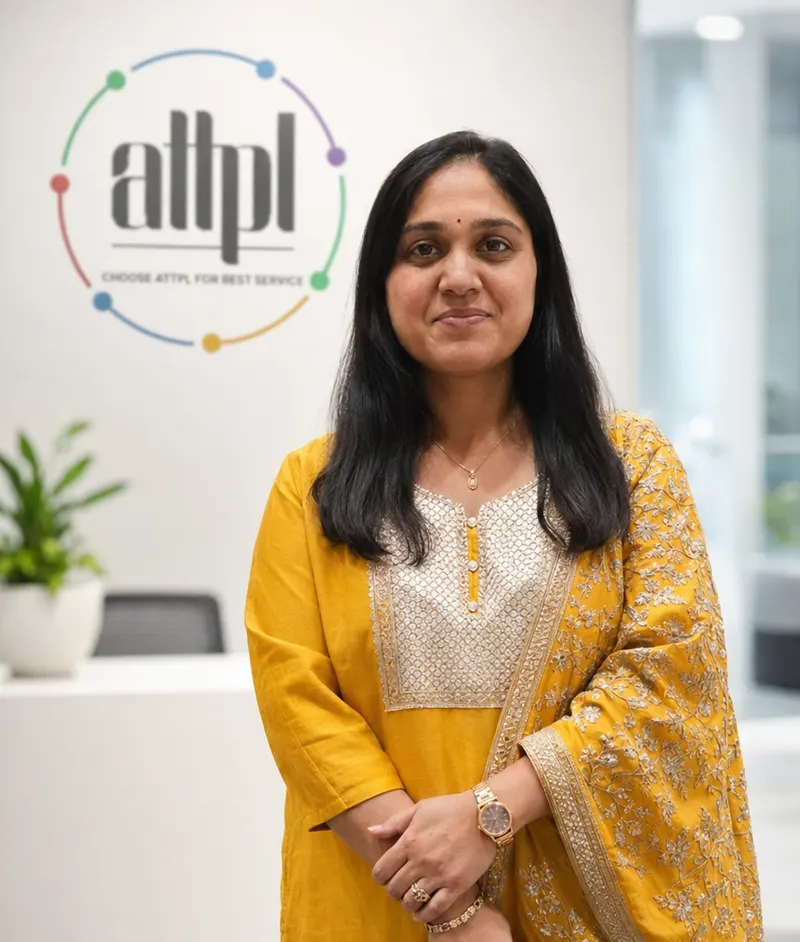
Maya Godara
Co-Founder & Managing Director, ATTPL HOLDCO / ATTPL GROUP, Jaipur, Rajasthan, India.
More from Maya Godara
Millet Products for Women's Self-Help Groups: From Bajra to a Brand
How women's SHGs in Rajasthan can turn millets into value-added products: product ideas, quality and FSSAI basics, packaging, finance through PMFME and SHG support, and selling.
Read the articleNamo Drone Didi: How Women's Self-Help Groups Can Earn from Agri Drones
A guide to the Namo Drone Didi scheme for women's SHGs — what it provides, drone pilot training, spraying services for farmers, earning potential, safety rules and how to prepare.
Read the articleSelling Handicrafts Online: A Practical Guide for Rural Women Artisans and SHGs
How rural women artisans and self-help groups can take handicrafts online — product photos, pricing, packaging, government platforms like GeM and ONDC, payments and building repeat buyers.
Read the article