
Millet Products for Women's Self-Help Groups: From Bajra to a Brand
Rajasthan grows more bajra than any other state, and demand for healthy millet foods is rising in cities. For women's self-help groups, simple millet products can become a steady, home-based livelihood.
Why millets are an opportunity
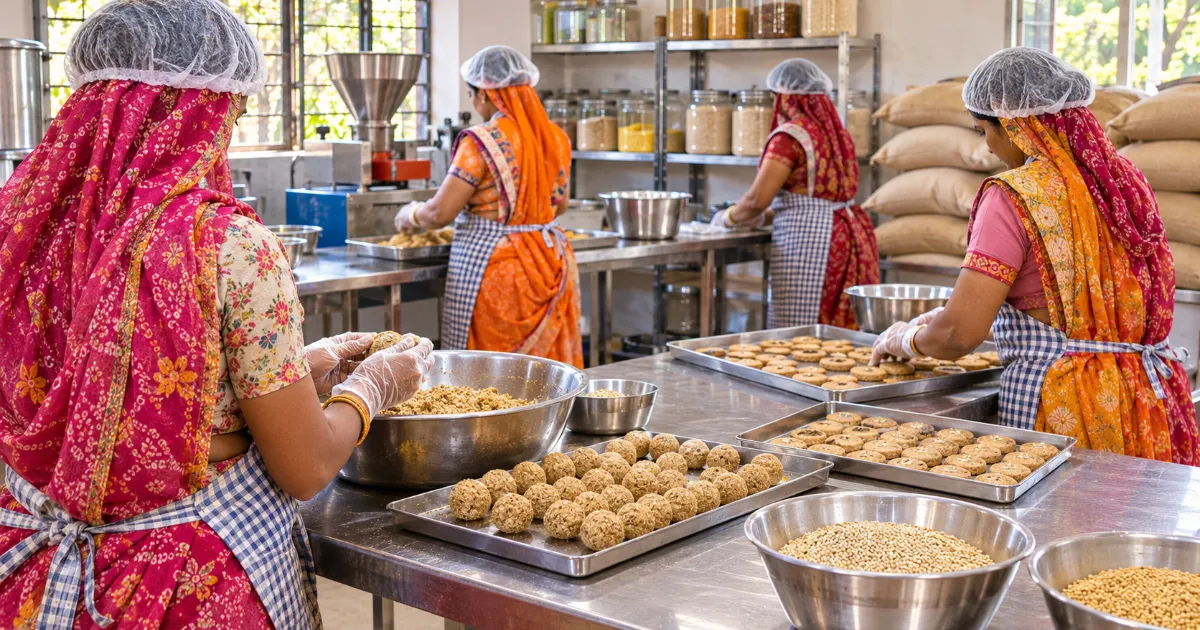
Millets such as bajra (pearl millet), jowar (sorghum) and ragi (finger millet) are nutritious, grow with less water and are part of traditional Rajasthani food. Government campaigns for 'Shree Anna' and growing interest in healthy snacks have created demand from urban families, cafes, schools and gifting buyers. Groups that add value through cleaning, processing and packing can earn more than by selling raw grain.
Product ideas to start with
- Cleaned and graded grain and fresh flour in small packs
- Ready mixes for roti, khichdi, dosa or porridge
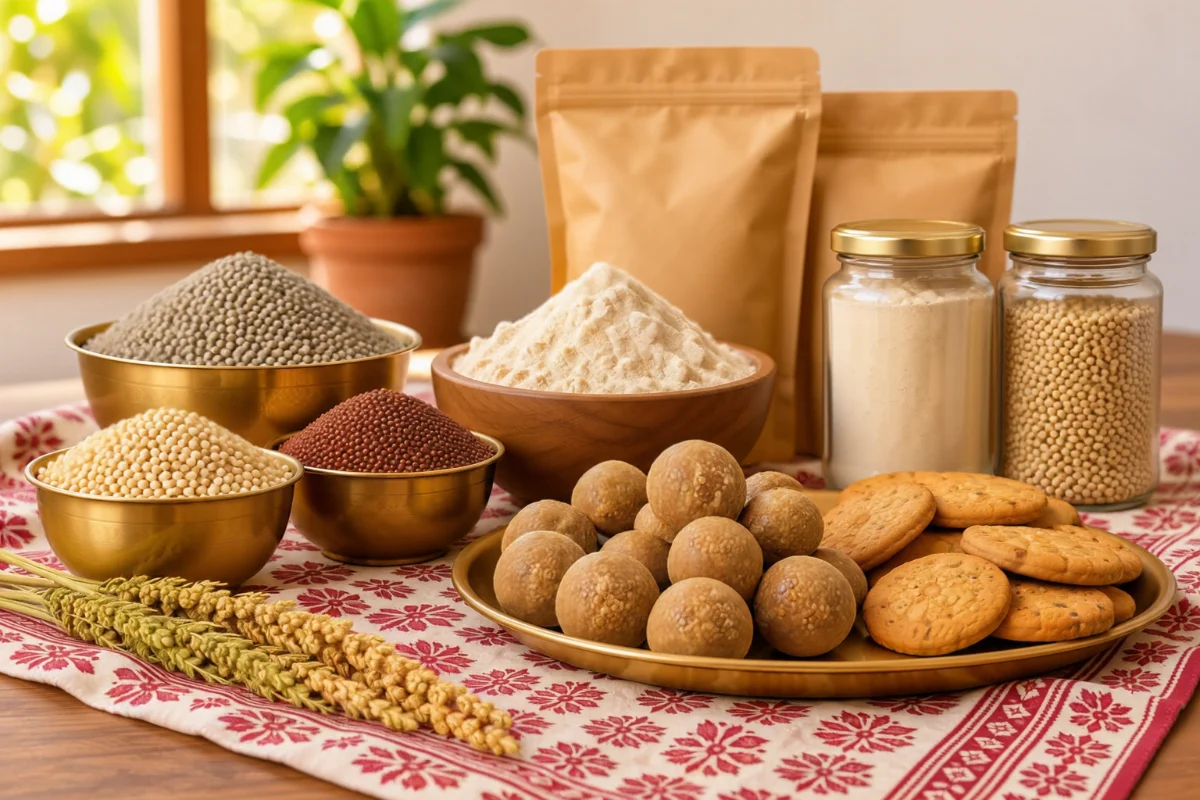
- Millet laddoos, chikki, cookies and namkeen
- Roasted millet snacks and puffed millet
- Festive gift boxes with traditional recipes
Start with one or two products that members already make well, test them with local buyers and improve taste, shelf life and packing.
Quality, safety and licences
Process food in a clean, dedicated space with covered hair, clean utensils and safe water. Millet flour can turn rancid quickly, so make small batches, pack in good-quality pouches and print the packing date and best-before period. Obtain FSSAI registration or licence as applicable before selling; our partner guide on [FSSAI food licence registration](https://consultancy.attplai.com/blog/fssai-food-licence-registration-guide) explains the steps.
Finance and support
SHG members can access credit through bank linkage and federations. The PM Formalisation of Micro Food Processing Enterprises (PMFME) scheme supports SHGs and micro units with seed capital, credit-linked subsidy, training and branding support, subject to its guidelines. Keep clean accounts so the group is ready for loans; read [SHG record keeping](https://mayagodara.com/insights/shg-record-keeping-bookkeeping-guide) and [loan schemes for women entrepreneurs](https://mayagodara.com/insights/women-entrepreneur-loan-schemes-india-guide).
Selling locally and online
Begin with village haats, local shops, schools and fairs such as Saras melas, then add online channels and bulk buyers like cafes or corporate gifting. Tell the story of the women who make the products, keep prices clear and deliver on time. Our guide on [selling online for women micro-enterprises](https://mayagodara.com/insights/women-micro-enterprises-selling-online-guide) covers marketplaces and social media.
Growing together
As volumes grow, groups can share machines such as cleaners, mills and sealers, and work with FPOs to buy grain directly from farmers. [ATTPL Agritech](https://agri.attplai.com/) works on market access for farm produce, which can help link millet growers and women's enterprises.
Maya's takeaway
Frequently asked questions
Do we need an FSSAI licence to sell millet laddoos?
Yes, food businesses need FSSAI registration or a licence depending on their size. Register before selling.
How long does millet flour last?
Millet flour can spoil faster than wheat flour; make small batches, pack well and mark a realistic best-before date based on testing.
Which scheme supports SHG food processing?
The PMFME scheme supports SHGs and micro food units with seed capital, credit-linked subsidy and training, as per its guidelines.
Sources
This article is general information and a leadership perspective. It is not legal, financial, tax, medical or investment advice. Please consult a qualified professional for your situation. Facts and figures are taken from the public sources listed above and may change.
Maya Godara
Co-Founder & Managing Director, ATTPL HOLDCO / ATTPL GROUP, Jaipur, Rajasthan, India.
More from Maya Godara
PM Vishwakarma Scheme: A Guide for Women Artisans and Craft Families
How women artisans and traditional craft families can use the PM Vishwakarma scheme — eligible trades, registration through Common Service Centres, skill training, toolkit support, collateral-free credit and marketing help.
Read the articleNamo Drone Didi: How Women's Self-Help Groups Can Earn from Agri Drones
A guide to the Namo Drone Didi scheme for women's SHGs — what it provides, drone pilot training, spraying services for farmers, earning potential, safety rules and how to prepare.
Read the articleSelling Handicrafts Online: A Practical Guide for Rural Women Artisans and SHGs
How rural women artisans and self-help groups can take handicrafts online — product photos, pricing, packaging, government platforms like GeM and ONDC, payments and building repeat buyers.
Read the article