
Namo Drone Didi: How Women's Self-Help Groups Can Earn from Agri Drones
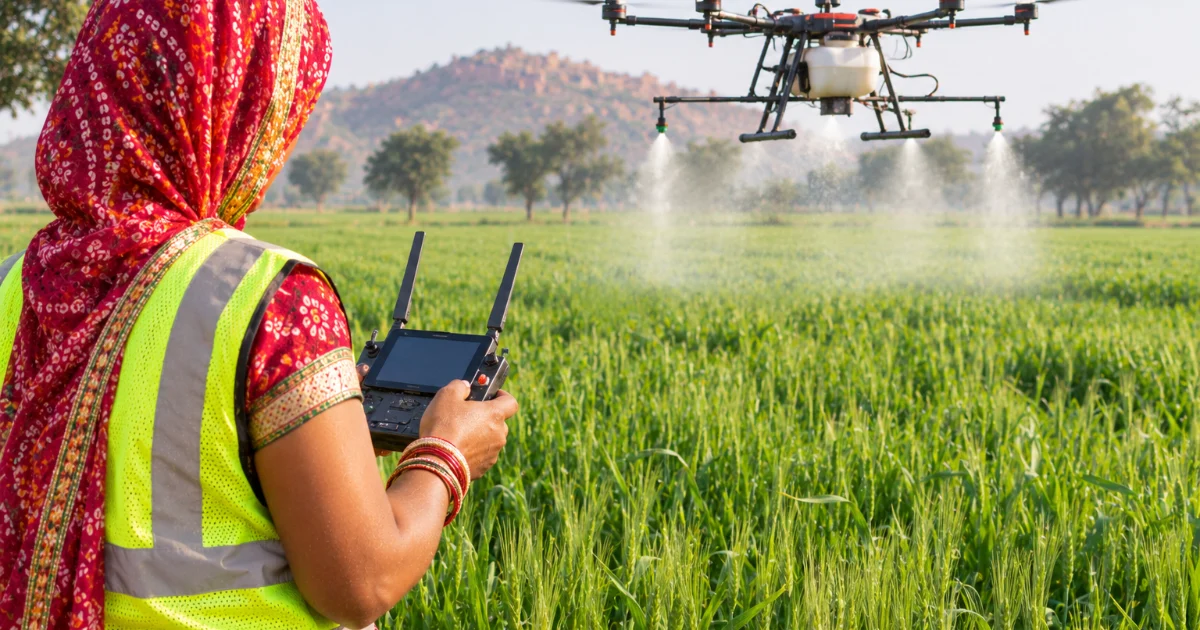
Few images capture the change in rural India better than a woman from a self-help group flying a drone over a field. The Namo Drone Didi scheme aims to give women's SHGs the technology and training to offer drone services to farmers and earn a new income.
What the scheme is
Namo Drone Didi, approved by the Government of India, supports selected women's self-help groups with agricultural drones for providing rental services to farmers, mainly for spraying fertilisers and pesticides. The scheme provides central financial assistance towards the cost of the drone package, with the option of credit for the balance, and training for a drone pilot and an assistant from the group. Implementation involves lead fertiliser companies and the Department of Agriculture, with SHGs linked through the DAY-NRLM network.
Why it matters for women
Drone spraying saves time, water and chemicals for farmers and reduces their exposure to sprays. For women's groups, it creates a skilled, respected role and a service business that can serve many villages. Read more about [drones in agriculture and their safety](https://agri.attplai.com/blog/drones-in-agriculture-india-spraying-safety-and-economics) on ATTPL Agri.
Training and rules
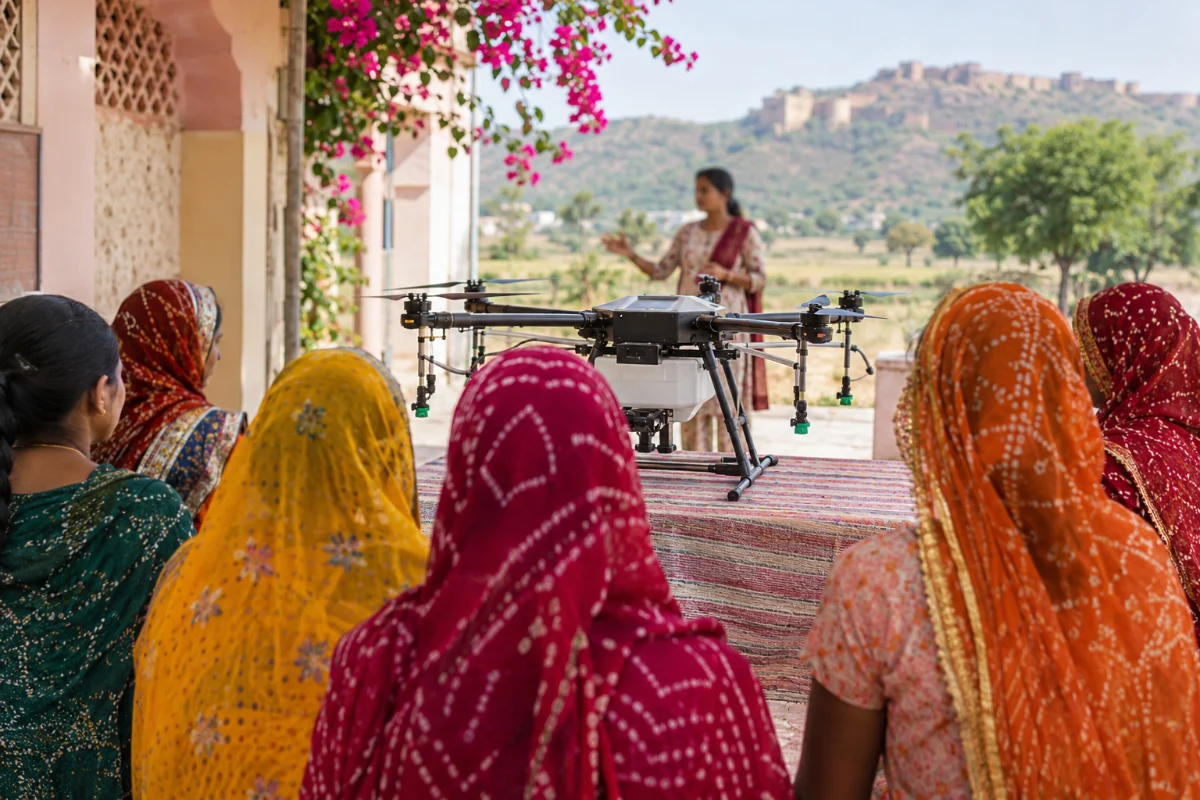
- Drone pilots receive training from authorised institutes as per scheme guidelines
- Drone operations must follow the Drone Rules, 2021 and DGCA requirements, including registration and remote pilot certification
- Only approved pesticides and doses should be sprayed, following label and advisory instructions
- Safety gear, weather checks and keeping people away from spray areas are essential
Running it as a business
Treat the drone as a small enterprise: plan a season calendar with farmers, fix a fair per-acre rate, keep a booking register, and record fuel or battery costs, repairs and earnings. Simple [SHG bookkeeping](https://mayagodara.com/insights/shg-record-keeping-bookkeeping-guide) and digital payments help build trust. Groups can also partner with FPOs for bulk bookings — see our article on [FPOs and digital tools](https://mayagodara.com/insights/fpos-and-digital-tools-why-collective-strength-helps-small-farmers).
How to get involved
Women's SHGs interested in the scheme should contact their block-level NRLM (Rajeevika in Rajasthan) staff or the district agriculture office to understand selection criteria and current status. Strong record-keeping and active participation help groups get selected.
Support
[ATTPL Agri](https://agri.attplai.com/) works with farmers and FPOs on technology adoption, and [ATTPL Consultancy](https://consultancy.attplai.com/) can help women's enterprises with business plans and documentation.
Maya's takeaway
Frequently asked questions
Who can benefit from Namo Drone Didi?
Selected women's self-help groups under DAY-NRLM, as per the scheme's criteria and implementation in each state.
Do drone didis need a licence?
Drone pilots must complete authorised training and follow the Drone Rules, including remote pilot certification as required.
How do drone didis earn money?
By providing paid drone spraying services to farmers, usually charged per acre.
Sources
This article is general information and a leadership perspective. It is not legal, financial, tax, medical or investment advice. Please consult a qualified professional for your situation. Facts and figures are taken from the public sources listed above and may change.
Maya Godara
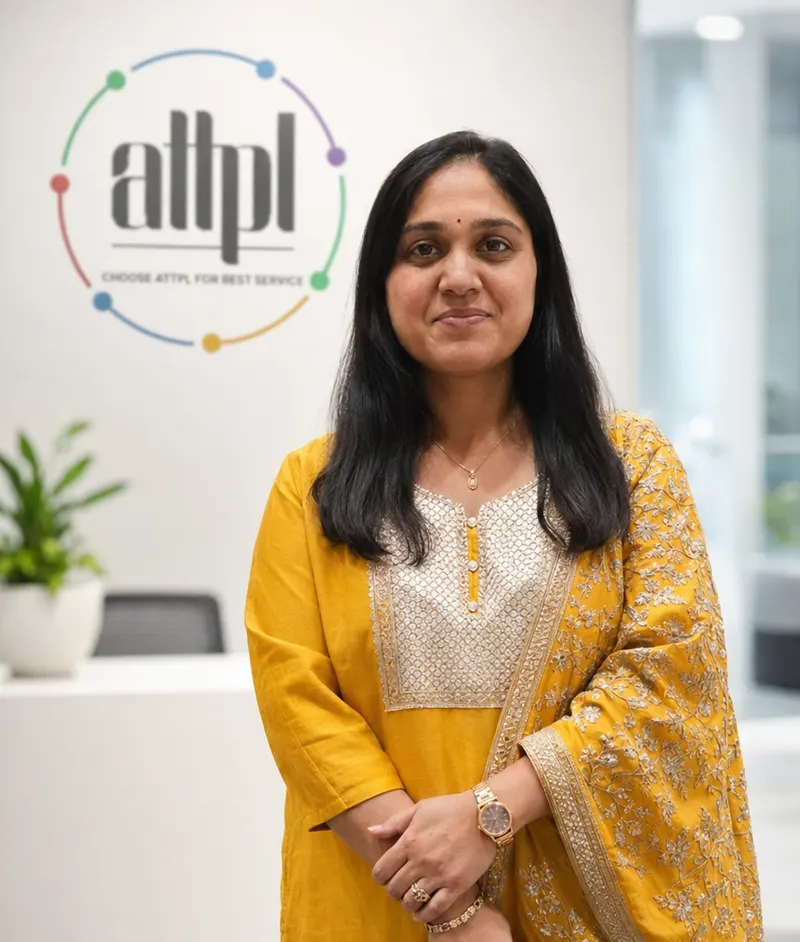
Co-Founder & Managing Director, ATTPL HOLDCO / ATTPL GROUP, Jaipur, Rajasthan, India.
More from Maya Godara
Millet Products for Women's Self-Help Groups: From Bajra to a Brand
How women's SHGs in Rajasthan can turn millets into value-added products: product ideas, quality and FSSAI basics, packaging, finance through PMFME and SHG support, and selling.
Read the articlePM Vishwakarma Scheme: A Guide for Women Artisans and Craft Families
How women artisans and traditional craft families can use the PM Vishwakarma scheme — eligible trades, registration through Common Service Centres, skill training, toolkit support, collateral-free credit and marketing help.
Read the article