
Water, Women and Villages: Why Local Water Management Matters
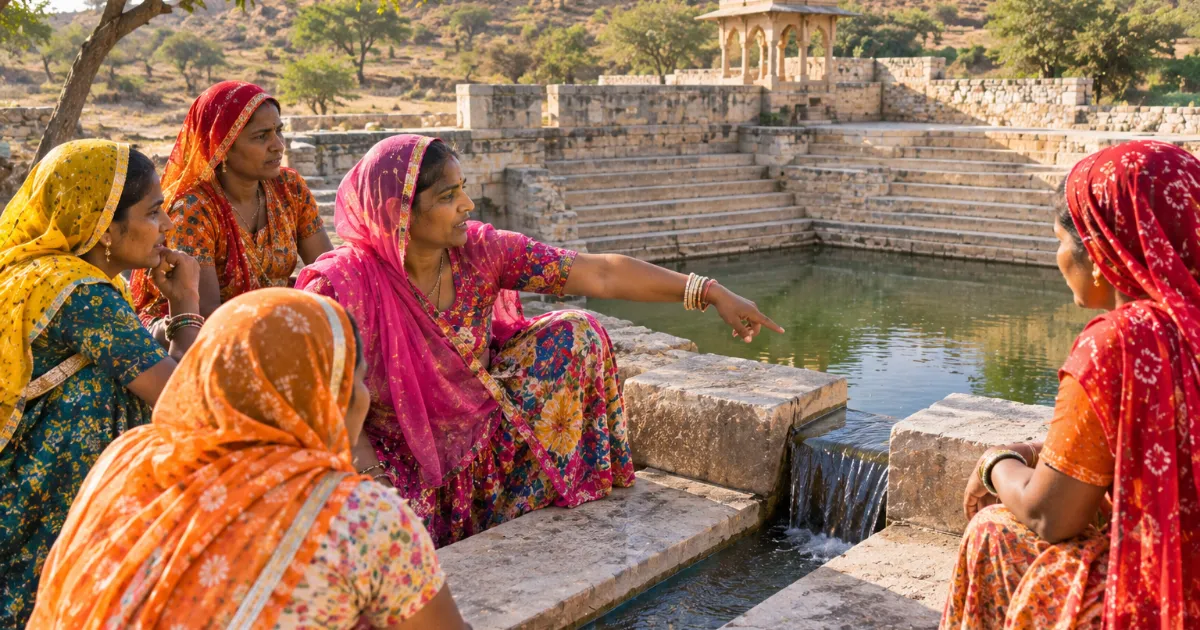
In Rajasthan, water has always shaped village life. For generations, women have carried the heaviest burden of fetching water, often walking long distances in the heat. They also hold deep knowledge of local sources and traditional systems. When women lead water planning, villages tend to make better, fairer decisions about how scarce water is collected, stored and shared.
Traditional wisdom, modern needs
Rajasthan's traditional water structures — johads, kunds, baoris (stepwells) and taankas — were designed to catch and store every drop of rain. Many fell into disuse as piped supplies and borewells spread, and groundwater levels have fallen in many areas. Reviving these structures, alongside modern rainwater harvesting, is one of the most practical ways to improve water security.
Why women's leadership matters
- Women know which sources dry up first and where water quality is poor.
- Time saved from fetching water can go into income, education and rest.
- Women's participation in village water committees improves maintenance and fair sharing.
- Girls are less likely to miss school when water is available closer to home.
Our article on [women in panchayat leadership](/insights/women-in-panchayat-leadership-a-100-day-plan-for-a-new-sarpanch) discusses how elected women can champion such priorities.
Practical steps for villages
- Map local water sources and their condition with the whole community.
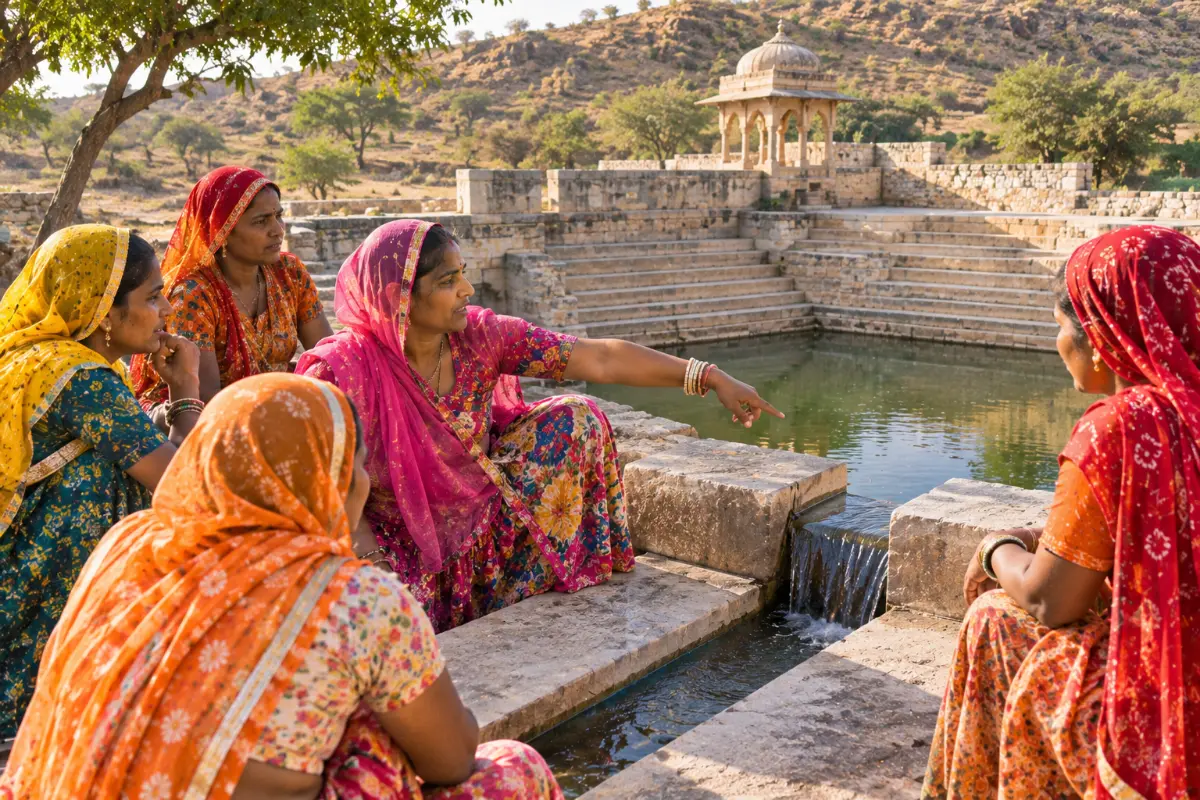
- Desilt and repair ponds, johads and stepwells before the monsoon.
- Promote rooftop rainwater harvesting tanks for homes and schools.
- Test drinking water quality and act on the results.
- Use water-saving irrigation such as drip and sprinkler systems on farms.
Farm-level options are explained by [ATTPL Agritech](https://agri.attplai.com/blog/smart-irrigation-for-rajasthan-drip-sprinkler-and-sensors), and solar pumps reduce diesel costs for irrigation.
Using schemes and partnerships
Government programmes for drinking water and watershed development can fund new connections, tanks and conservation works. Gram panchayats can include water projects in their development plans, and self-help groups can manage small water assets. Transparent records and regular meetings build trust and keep systems working.
A shared responsibility
Water security cannot be achieved by one family or one department alone. It needs farmers, households, schools, panchayats and businesses working together. When women are at the centre of these efforts, the benefits reach the whole community — and the next generation.
Maya's takeaway
Reviving traditional water structures, harvesting rain and putting women at the centre of local water decisions can make Rajasthan's villages more water secure.
Frequently asked questions
What are johads and taankas?
They are traditional Rajasthan water structures: johads are small earthen check dams or ponds, and taankas are covered underground tanks that store rainwater.
Why should women lead water committees?
Women carry much of the burden of fetching water and know local sources well, so their participation leads to better and fairer decisions.
How can a village start rainwater harvesting?
Map existing sources, repair old structures, add rooftop tanks for homes and schools, and use panchayat plans and schemes for funding.
Sources
This article is general information and a leadership perspective. It is not legal, financial, tax, medical or investment advice. Please consult a qualified professional for your situation. Facts and figures are taken from the public sources listed above and may change.
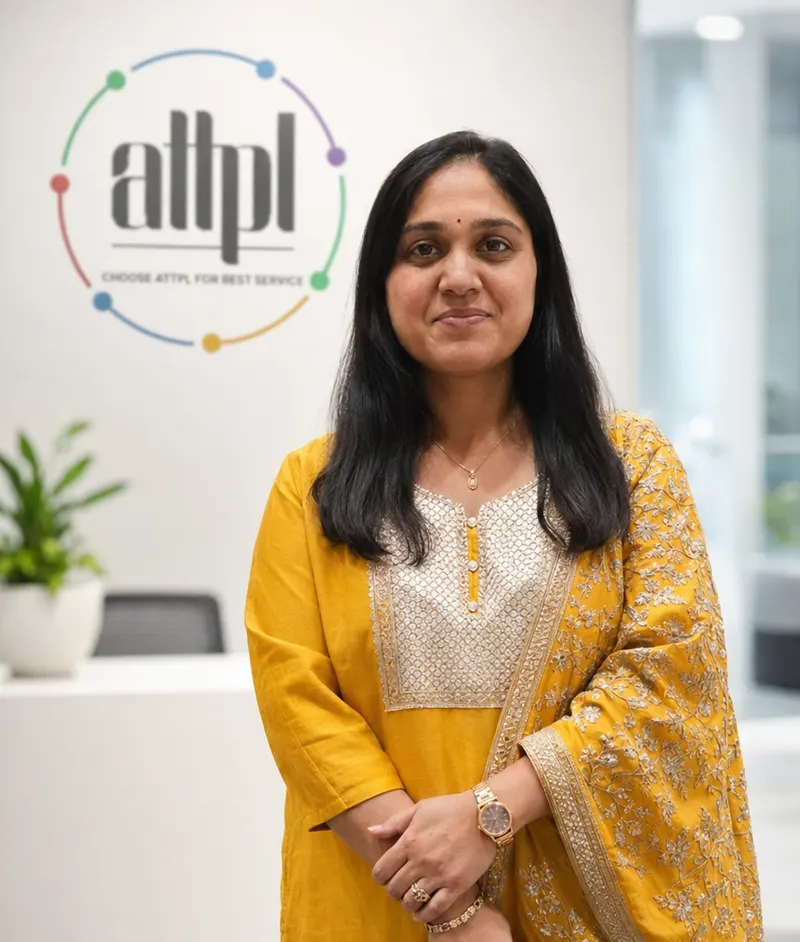
Maya Godara
Co-Founder & Managing Director, ATTPL HOLDCO / ATTPL GROUP, Jaipur, Rajasthan, India.
More from Maya Godara
Women-Led Dairy Cooperatives in Rajasthan: A Practical Path
How women-led dairy cooperatives in Rajasthan build steady rural income through collective milk collection, fair pricing, training and shared ownership.
Read the articleClean Cooking and Women's Health in Rural Homes
Why smoke from traditional stoves harms women and children, how clean cooking with LPG and better ventilation helps, and what families and communities can do.
Read the articleLakhpati Didi: Building Livelihoods Through SHGs
How self-help group women can build steady incomes: the Lakhpati Didi goal, choosing a livelihood, skills, credit, markets and support from Rajeevika.
Read the article