
Women-Led Dairy Cooperatives in Rajasthan: A Practical Path
In many Rajasthan villages, women already do most of the daily dairy work: feeding animals, milking, cleaning sheds and caring for calves. Yet the income, the decisions and the relationship with the buyer often sit with someone else. Women-led dairy cooperatives change that equation. When women own the collection centre, keep the records and sit on the managing committee, dairy becomes a business they run rather than a chore they perform. This article looks at how such cooperatives work, what they need to succeed, and how families and local leaders can support them.
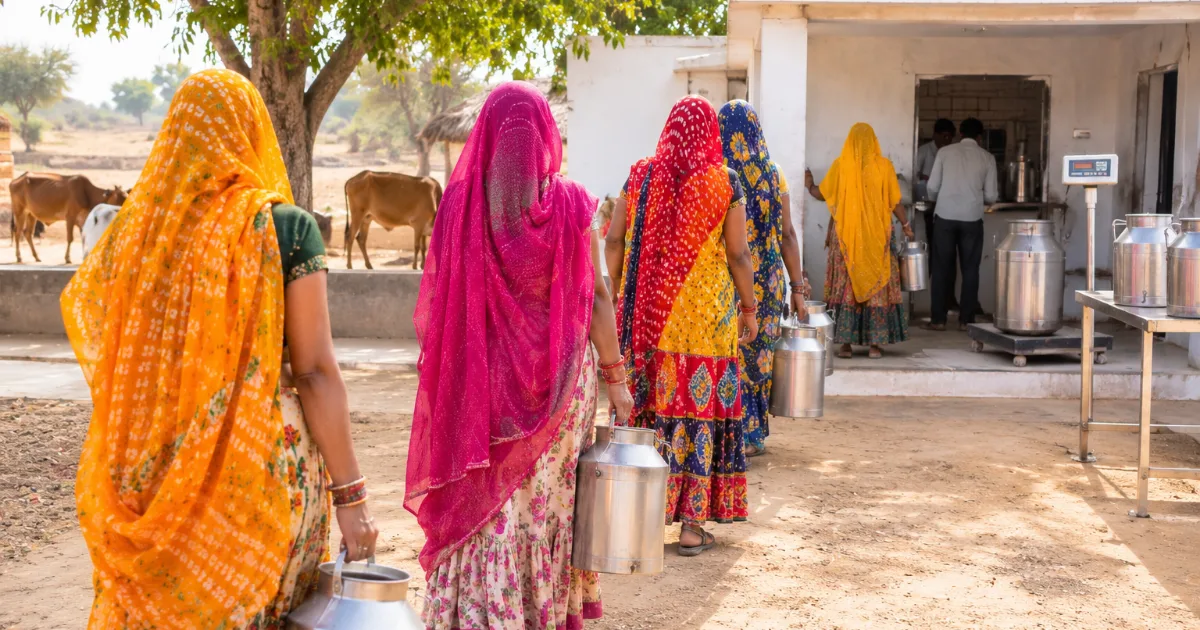
Why Women-Led Dairy Cooperatives Matter in Rajasthan
Dairy is one of the few rural livelihoods that produces cash every day rather than once a season. For households facing uncertain rainfall, that daily flow is a cushion. A cooperative structure adds three things an individual seller rarely has: bargaining power, transparent measurement of milk quantity and fat content, and access to training and inputs at group rates.
When the members are women, the benefits travel further. Income paid directly into a woman's bank account tends to be spent on nutrition, schooling and health. Committee roles build confidence in public speaking, negotiation and bookkeeping, skills that carry into panchayat meetings and family decisions.
How a Village Dairy Cooperative Usually Works
Most village dairy cooperatives follow a simple pattern, though the exact rules depend on the state federation or milk union they are linked to:
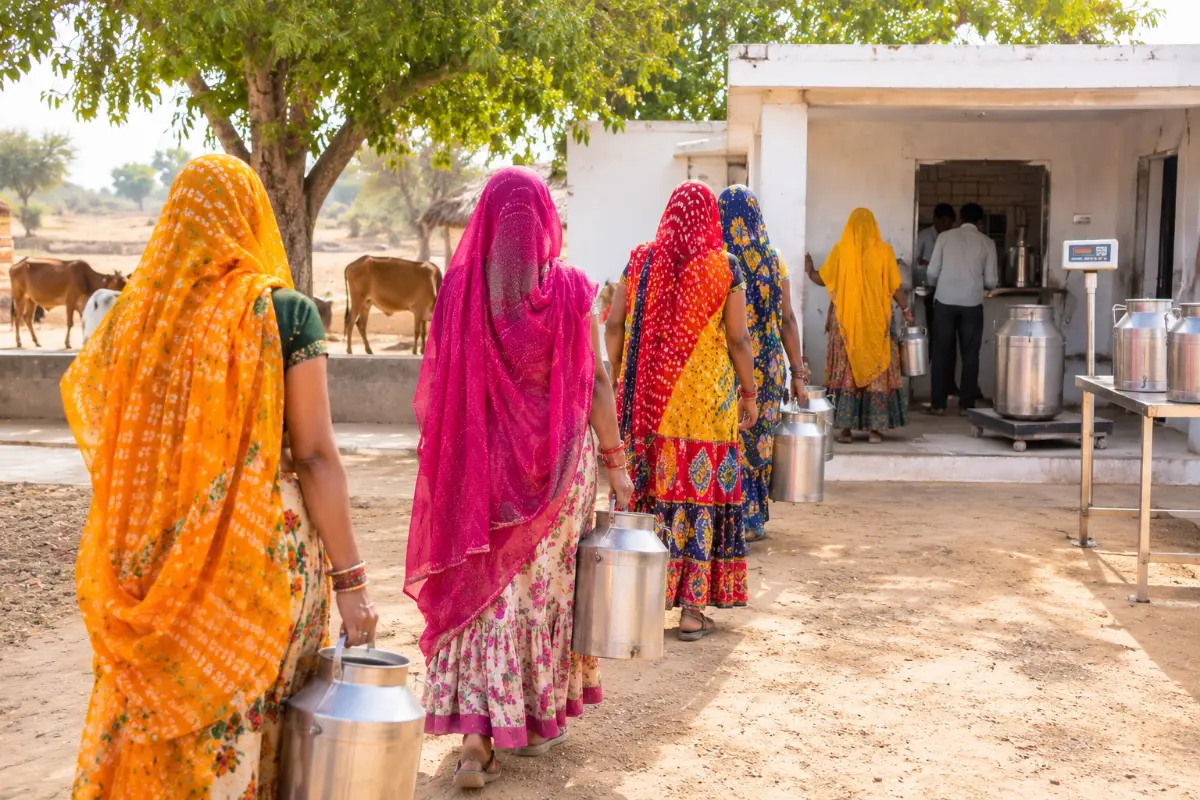
- Members pour milk twice a day at a shared collection centre.
- Quantity and fat or SNF are tested in front of the member and recorded.
- Payments are made on a fixed cycle, ideally straight to bank accounts.
- An elected managing committee oversees accounts, staff and supplier relations.
- Surplus, after costs, is shared or reinvested as the bylaws decide.
The details of registration, bylaws and affiliation should always be confirmed with the cooperative department or the relevant milk union, since procedures change over time.
Building Blocks for Women's Dairy Enterprises
A strong cooperative rests on more than enthusiasm. Self-help groups formed under rural livelihood missions often provide the first foundation, because members already save together and trust one another. From there, the group needs clear roles, basic accounting, animal health support and reliable fodder.
Allied livelihoods also matter. Fodder cultivation, vermicompost from dung and small value-added products such as ghee or paneer can open further income. Resources like the [women agripreneur programme from ATTPL Agri](https://agri.attplai.com/women-agripreneur) and digital tools for [farmer producer organisation operations](https://agri.attplai.com/fpo-os) show how collective rural enterprises can be organised and managed with better records.
Common Challenges and How to Address Them
Women-led cooperatives face predictable hurdles. Naming them early helps the group plan around them:
- Low literacy in accounts: pair members with a trained secretary and hold monthly open-book meetings.
- Animal health costs: link with veterinary services and keep vaccination records.
- Cash flow gaps: build a small reserve fund before expanding.
- Family resistance: invite husbands and elders to orientation sessions so they see the benefits.
- Capital for equipment: explore government schemes and bank credit with proper documentation.
For equipment such as bulk milk coolers, groups often need a clear project plan. Guidance on [subsidy consulting for rural enterprises](https://consultancy.attplai.com/services/subsidy-consulting) can help a cooperative understand which schemes may apply and what documents are usually required. Always check the current rules on the official scheme portal.
The Role of Leadership and Community Support
Leadership is the difference between a cooperative that survives its first year and one that grows. Women who take on committee roles need mentoring, exposure visits to well-run societies and the freedom to make mistakes without being pushed out. Panchayat members, school teachers and local entrepreneurs can all lend credibility.
This belief in grassroots leadership runs through the [key verticals Maya Godara works across](https://mayagodara.com/key-verticals), where rural development and women's entrepreneurship are treated as connected goals rather than separate projects.
Steps to Start a Women-Led Dairy Cooperative
- Identify interested milk producers and hold an open village meeting.
- Start with an existing self-help group or form one with regular savings.
- Contact the nearest milk union or cooperative office to understand registration.
- Draft bylaws that reserve leadership roles for women members.
- Train the secretary and committee in testing, records and banking.
- Begin small, publish accounts monthly and expand only when systems are stable.
More reflections on rural enterprise and community leadership are available in the [insights section](https://mayagodara.com/insights).
Partner With Us on Rural Women's Enterprise
If you lead a self-help group, an NGO or a local institution and want to discuss women-led rural enterprise, please [get in touch through the contact page](https://mayagodara.com/contact-us). We welcome conversations about collaboration, mentoring and knowledge sharing.
Maya's takeaway
Women-led dairy cooperatives turn daily household labour into owned, recorded and fairly paid income. Success depends on trust, transparent accounts and steady leadership support.
Frequently asked questions
Can a self-help group become a dairy cooperative?
Yes. Many dairy cooperatives grow out of existing self-help groups because members already save together and trust each other. Registration and affiliation rules vary, so confirm the process with the cooperative department or local milk union.
Do women need large herds to join?
No. Most village cooperatives accept members with one or two animals. What matters is regular pouring of quality milk and participation in meetings.
How are milk payments usually decided?
Payments are generally based on the quantity and fat or SNF content of the milk, tested at the collection centre. The rate chart is set by the milk union or federation the cooperative supplies.
Sources
This article is general information and a leadership perspective. It is not legal, financial, tax, medical or investment advice. Please consult a qualified professional for your situation. Facts and figures are taken from the public sources listed above and may change.
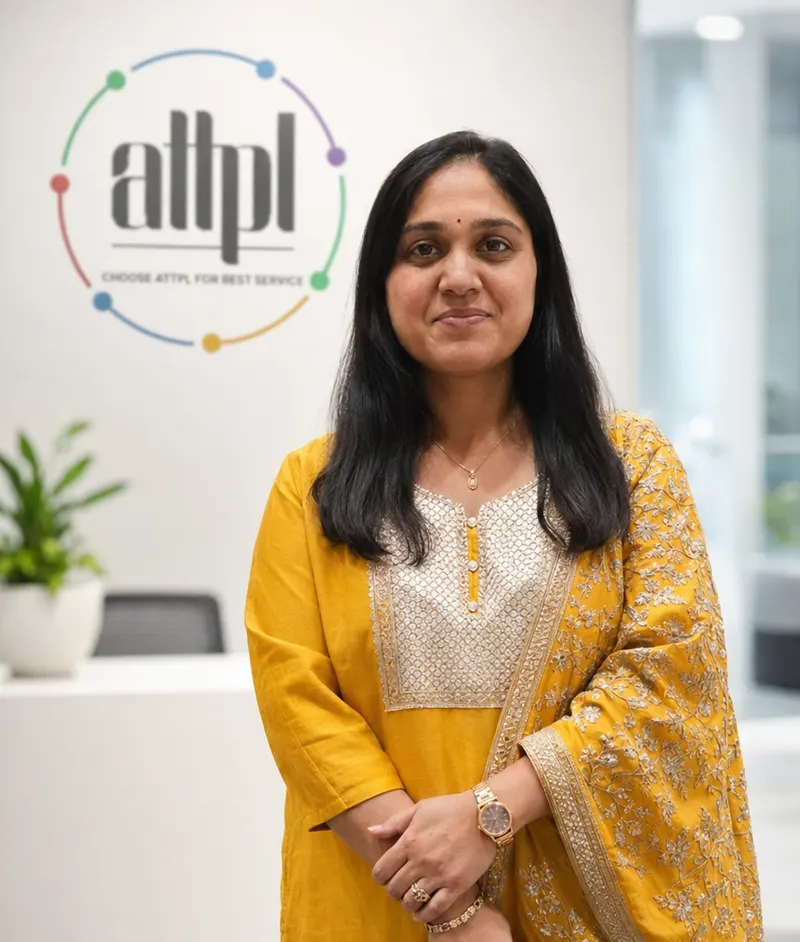
Maya Godara
Co-Founder & Managing Director, ATTPL HOLDCO / ATTPL GROUP, Jaipur, Rajasthan, India.
More from Maya Godara
Career Guidance for Rural Girls After Class 12
Career guidance roadmap for rural girls after Class 12: degree, skill and professional options, scholarships, entrance exams and family support.
Read the articleOnline Safety for Women: A Cyber Hygiene Guide
Online safety guide for women covering passwords, privacy settings, scams, harassment and how to report cybercrime via 1930 and cybercrime.gov.in.
Read the articleClean Cooking and Women's Health in Rural Homes
Why smoke from traditional stoves harms women and children, how clean cooking with LPG and better ventilation helps, and what families and communities can do.
Read the article