
Clean Cooking and Women's Health in Rural Homes
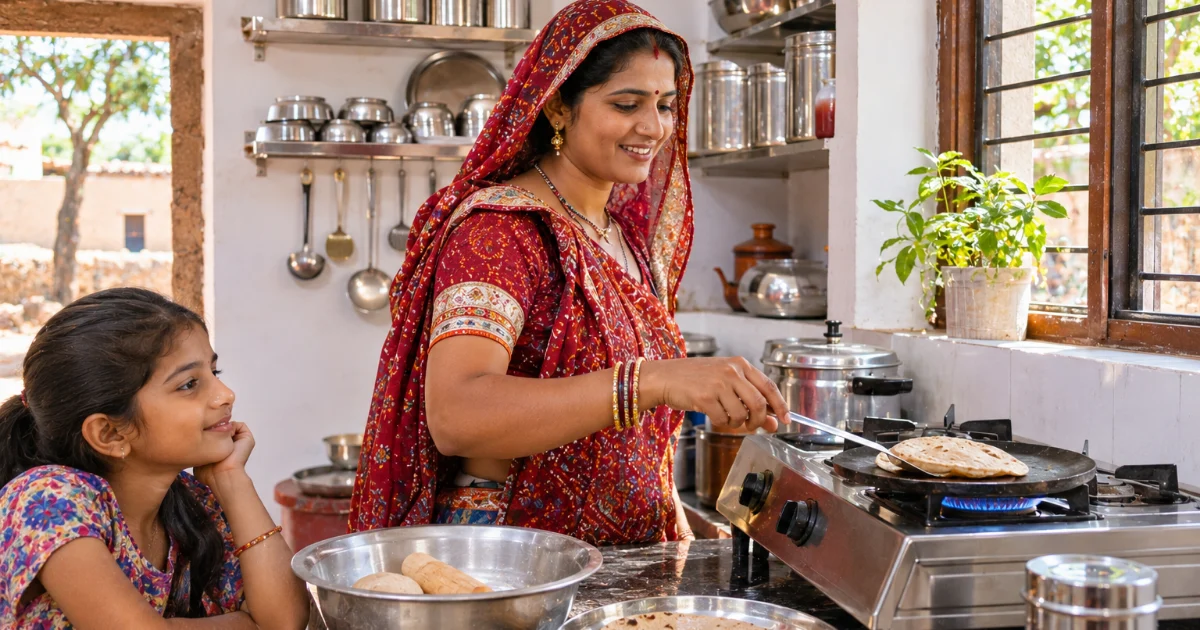
In many villages, women spend hours every day cooking over stoves fuelled by wood, crop residue or dung cakes. The smoke from these fires fills kitchens and homes. It harms the lungs, eyes and hearts of the women who cook and the young children who stay close to them. Clean cooking is therefore not just a matter of convenience; it is a health, time and dignity issue for rural women.
What household smoke does
Burning solid fuels indoors releases fine particles and harmful gases. The World Health Organization identifies household air pollution as a major health risk worldwide, linked to respiratory infections, chronic lung disease, heart disease and other illnesses. Women and children face the highest exposure because they spend the most time near the stove.
Benefits of clean cooking
- Better health for women and children through less smoke exposure.
- Time saved from collecting fuelwood, which women can use for work, learning or rest.
- Cleaner homes and less soot on walls and utensils.
- Less pressure on local trees and shrubs.
Making clean cooking a habit
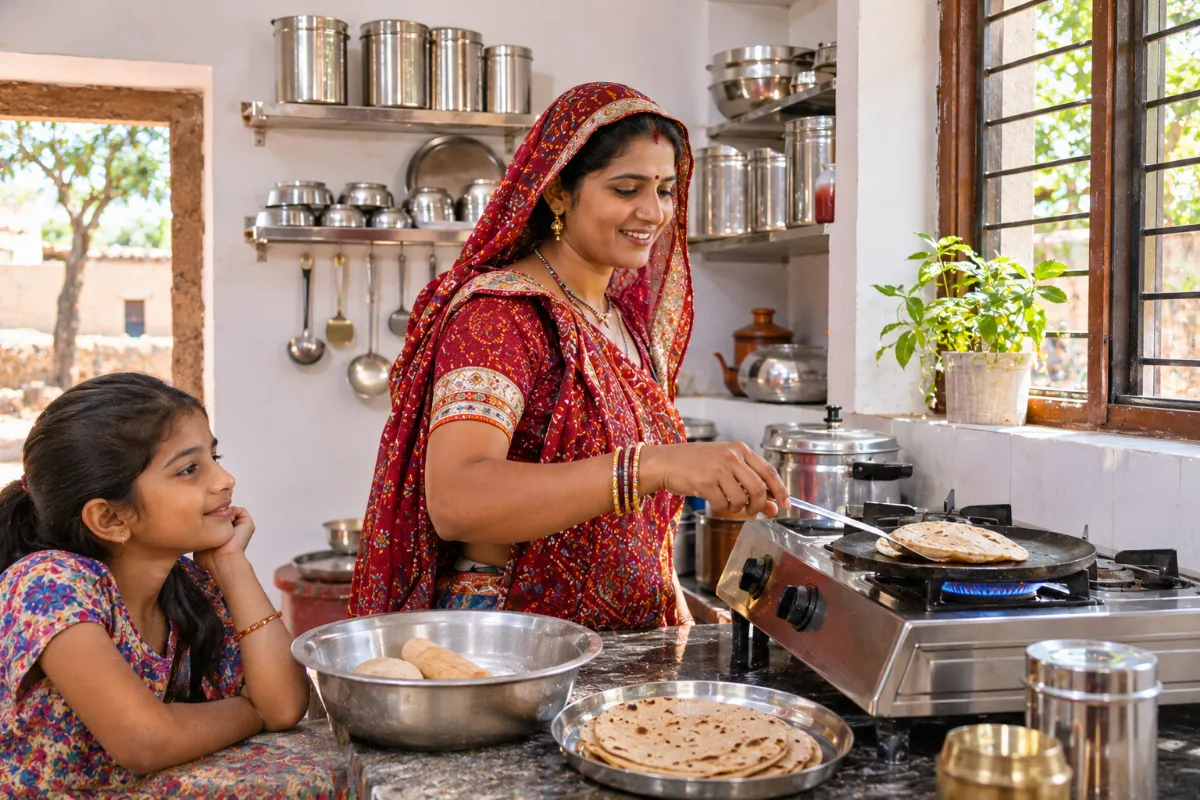
Government schemes have helped many rural families get LPG connections, but regular use depends on affordability, refill access and habits. Families can make the switch stick with a few steps:
- Use LPG for daily cooking, not only for tea or guests.
- Plan refills in advance and keep track of booking and delivery.
- Improve kitchen ventilation with windows or chimneys where solid fuel is still used.
- Teach children to stay away from smoke.
Self-help groups can support members with savings for refills and shared information; see our article on [self-help groups and women's leadership](/insights/self-help-groups-and-women-leadership-in-rural-rajasthan).
The role of solar and new options
Clean energy is expanding in rural Rajasthan. Solar power already helps with lighting and irrigation, as discussed in our article on [solar water pumps as a livelihood tool](/insights/solar-water-pumps-a-livelihood-tool-for-rajasthans-farm-families). Electric cooking and improved cookstoves are further options where electricity supply and costs allow. [ATTPL Solar](https://solar.attplgroup.com/residential-solar/) works on rooftop solar for homes.
What communities and leaders can do
Panchayat leaders, health workers and women's groups can raise awareness of smoke-related health risks, help families access schemes and track refill problems. Health camps can include simple lung health checks. When women themselves lead these conversations, change is faster and lasts longer.
Maya's takeaway
Clean cooking protects women's and children's health, saves time and supports a cleaner village. Lasting change needs affordable fuel, good habits and community support.
Frequently asked questions
Why is cooking smoke harmful?
Burning wood, dung or crop residue indoors releases fine particles and gases linked to lung and heart disease, especially for women and children.
What is clean cooking?
Cooking with cleaner fuels and technologies such as LPG, electricity or improved stoves that produce much less smoke.
How can families keep using LPG regularly?
Plan refills in advance, budget for them, use LPG for daily cooking and get support from groups or schemes where available.
Sources
This article is general information and a leadership perspective. It is not legal, financial, tax, medical or investment advice. Please consult a qualified professional for your situation. Facts and figures are taken from the public sources listed above and may change.
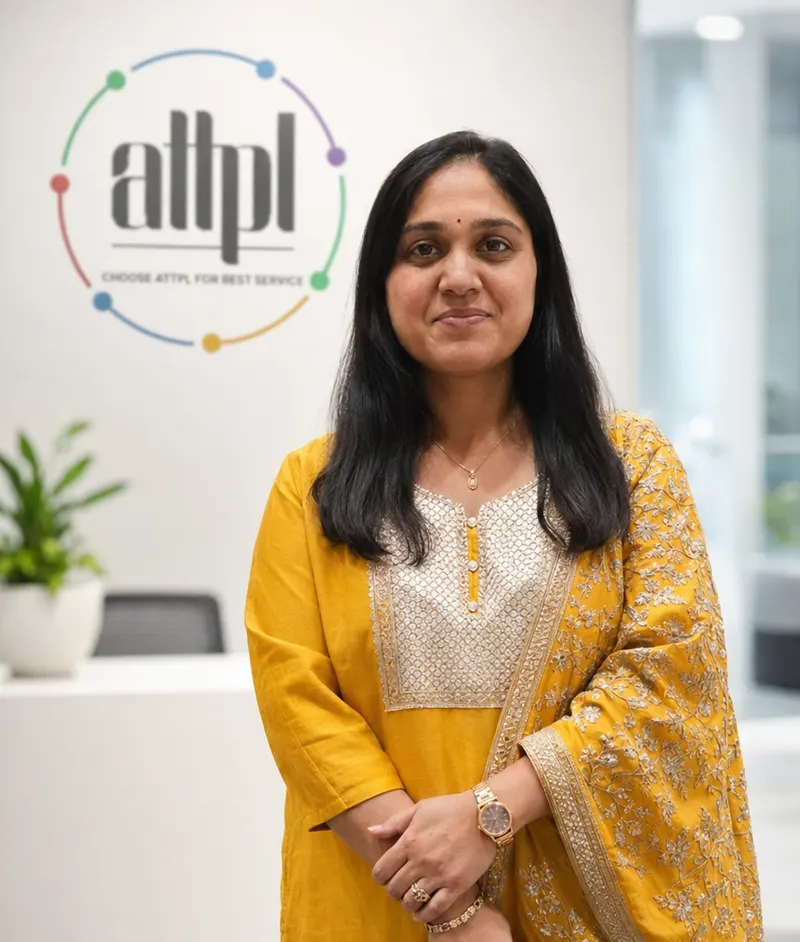
Maya Godara
Co-Founder & Managing Director, ATTPL HOLDCO / ATTPL GROUP, Jaipur, Rajasthan, India.
More from Maya Godara
Women-Led Dairy Cooperatives in Rajasthan: A Practical Path
How women-led dairy cooperatives in Rajasthan build steady rural income through collective milk collection, fair pricing, training and shared ownership.
Read the articleWater, Women and Villages: Why Local Water Management Matters
How women in Rajasthan's villages lead water conservation — traditional structures, rainwater harvesting, water committees and safe drinking water.
Read the articleLakhpati Didi: Building Livelihoods Through SHGs
How self-help group women can build steady incomes: the Lakhpati Didi goal, choosing a livelihood, skills, credit, markets and support from Rajeevika.
Read the article