
Sukanya Samriddhi Yojana: A Simple Guide for Parents Saving for Their Daughters
Saving early for a daughter's education is one of the most powerful choices a family can make. The Sukanya Samriddhi Yojana, a government-backed small savings scheme, makes that discipline simple and safe.
What the scheme is
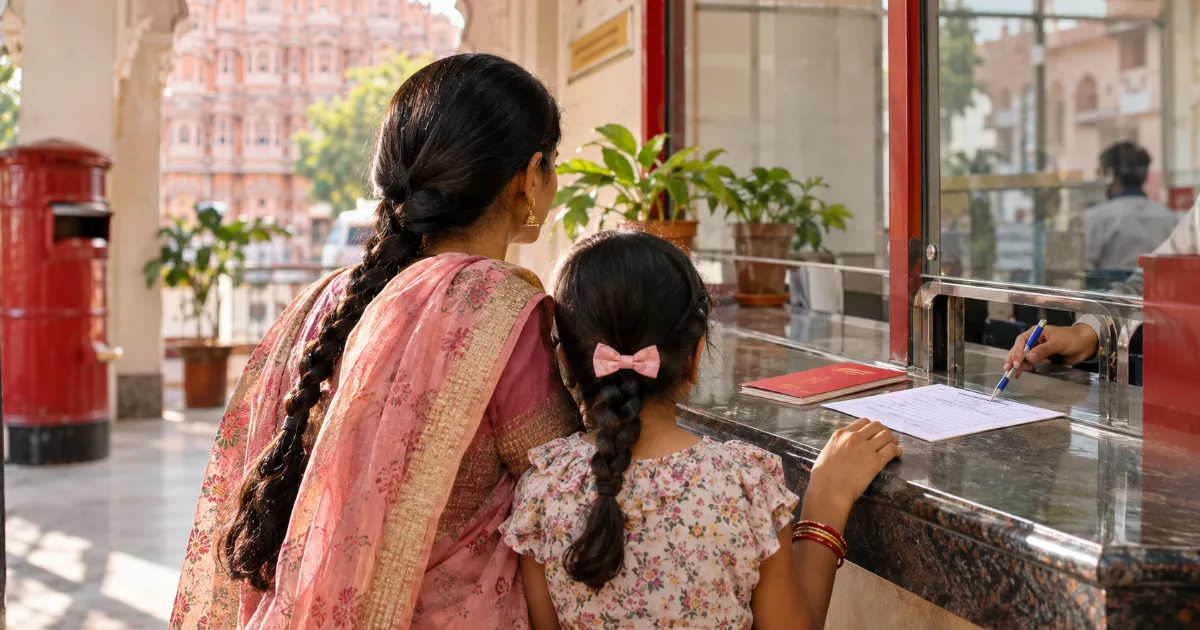
Sukanya Samriddhi Yojana (SSY) is a small savings scheme of the Government of India, launched under the Beti Bachao Beti Padhao campaign. It offers a government-backed interest rate, revised every quarter, and is available at post offices and authorised banks.
Who can open an account
- A parent or legal guardian can open the account in the name of a girl child below 10 years of age
- Generally up to two accounts per family, with an exception for twins or triplets as per the rules
- Documents usually include the girl's birth certificate and the guardian's identity and address proof
Deposits, maturity and withdrawal
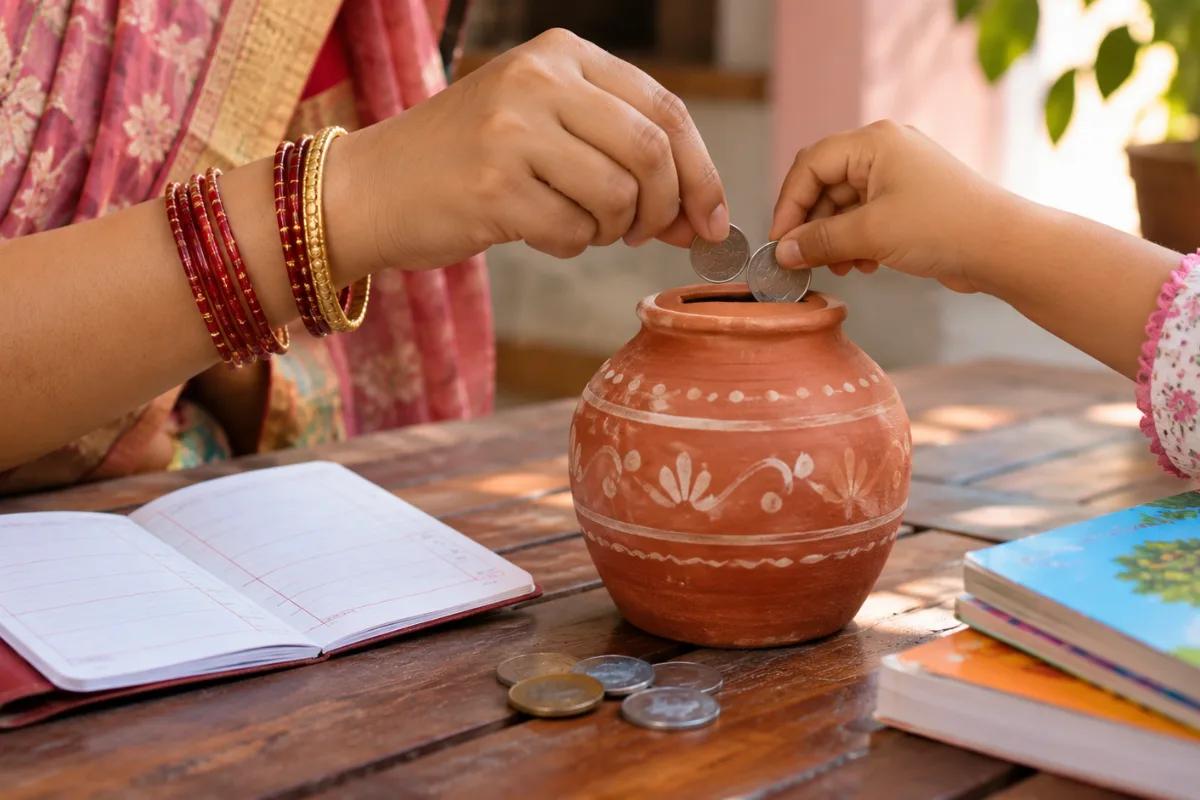
The minimum deposit is ₹250 a year and the maximum is ₹1.5 lakh in a financial year. Deposits are made for 15 years from the date of opening, and the account matures 21 years from opening. After the girl turns 18 or passes Class 10, partial withdrawal of up to half of the balance at the end of the previous financial year is allowed for higher education. Premature closure is permitted in specified situations such as marriage after 18 or extreme compassionate grounds.
Always check the current interest rate and rules at the post office or on official websites, because rates are revised every quarter.
Tax treatment
SSY has traditionally been one of the most tax-efficient savings options for families opting for the older tax regime, with deductions on deposits and tax-free interest and maturity under the conditions of income-tax law. Tax rules change, and the Income-tax Act, 2025 applies from 1 April 2026, so confirm the current position with a tax adviser before relying on a benefit.
Practical tips for families
- Open the account early so the money has more years to grow
- Set up an automatic monthly transfer instead of one deposit at year end
- Deposit at least the minimum every year to keep the account active
- Keep the passbook and nomination details safe and updated
- Talk with your daughter about saving as she grows — financial confidence is part of empowerment
Read our guide on [loan schemes for women entrepreneurs](https://mayagodara.com/insights/women-entrepreneur-loan-schemes-india-guide) for the next step in a woman's financial journey.
Getting guidance
For help comparing savings and insurance options for your family, explore [ATTPL Finance](https://finance.attplgroup.com/). Women-led groups that want to build financial literacy programmes can also connect with [ATTPL Consultancy](https://consultancy.attplai.com/) and [ATTPL HOLDCO](https://attplholdco.com/contact).
Maya's takeaway
Frequently asked questions
Up to what age can an SSY account be opened?
For a girl child below 10 years of age.
What is the maximum yearly deposit in SSY?
₹1.5 lakh in a financial year; the minimum is ₹250.
When does an SSY account mature?
21 years from the date of opening, with deposits required for the first 15 years.
Sources
This article is general information and a leadership perspective. It is not legal, financial, tax, medical or investment advice. Please consult a qualified professional for your situation. Facts and figures are taken from the public sources listed above and may change.
Maya Godara
Co-Founder & Managing Director, ATTPL HOLDCO / ATTPL GROUP, Jaipur, Rajasthan, India.
More from Maya Godara
Women and Digital Payments: UPI Safety Guide
Practical UPI safety tips for women shopkeepers, self-help group members and families: QR payments, PINs, common frauds and what to do if cheated.
Read the articleGirls' Education and STEM in Rural Rajasthan
Why science and technology education matters for rural girls in Rajasthan, the barriers they face and steps for families, schools and communities.
Read the articleFinancial Literacy for Rural Women: Savings, Insurance and Pensions
A simple guide to financial literacy for rural women: bank accounts, saving habits, low-cost insurance and pension schemes, credit and avoiding fraud.
Read the article