
Women and Digital Payments: UPI Safety Guide
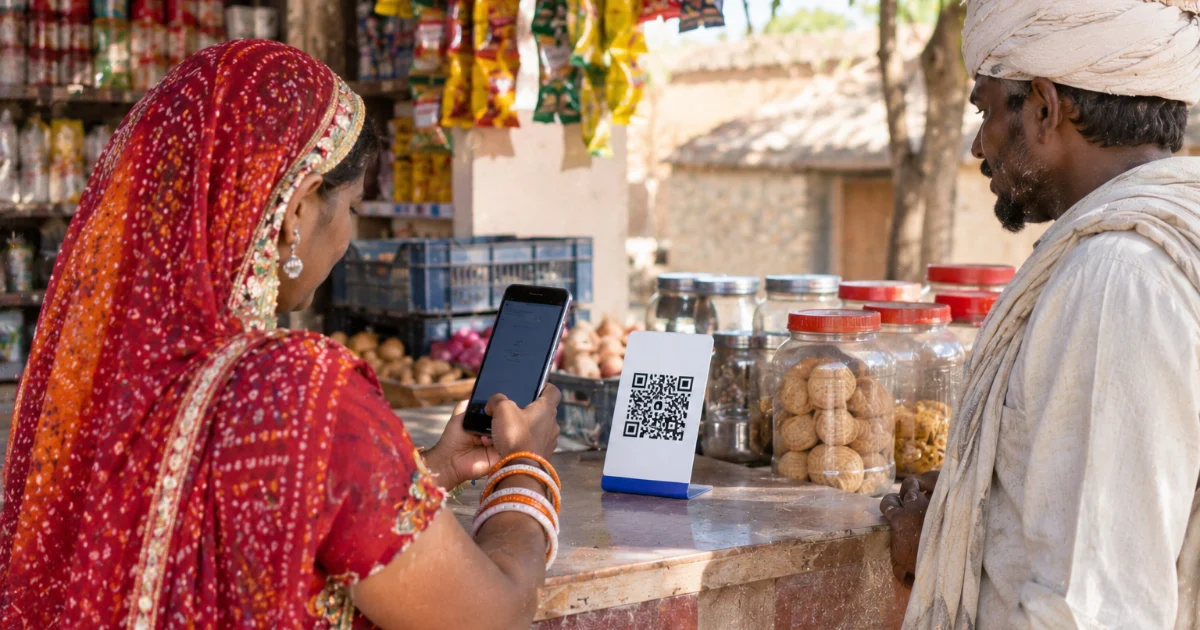
Digital payments have reached village shops, weekly markets and self-help group meetings across Rajasthan. For many women, UPI has made it easier to receive money for their work, pay bills and send money to family without travelling to a bank. But every new tool also brings new risks. Fraudsters target people who are new to smartphones, and a single mistake can wipe out weeks of savings. Learning a few simple habits makes digital payments both convenient and safe.
Why digital payments matter for women
When a woman receives payment directly into her own bank account, she has a record of her income and more control over how it is used. This record also helps when she applies for a loan, joins a government scheme or opens a savings account for her children. Self-help groups that collect and repay loans through bank accounts find their accounts easier to maintain and audit.
Our article on [financial confidence for women entrepreneurs](/insights/financial-confidence-for-women-entrepreneurs-credit-score-and-bookkeeping-basics) explains how simple records build a credit history over time.
Setting up UPI safely
- Link UPI only to your own bank account and your own mobile number.
- Download payment apps only from the official app store on your phone.
- Choose a UPI PIN that is not your birth date, phone number or 1234.
- Never write the PIN on the phone cover or share it with anyone, including family members who offer to help.
- Set a screen lock on the phone so that others cannot open payment apps.
If you need help setting up, ask at your bank branch or a trusted bank correspondent point rather than a stranger at the market.
The golden rule: a PIN is only for sending money
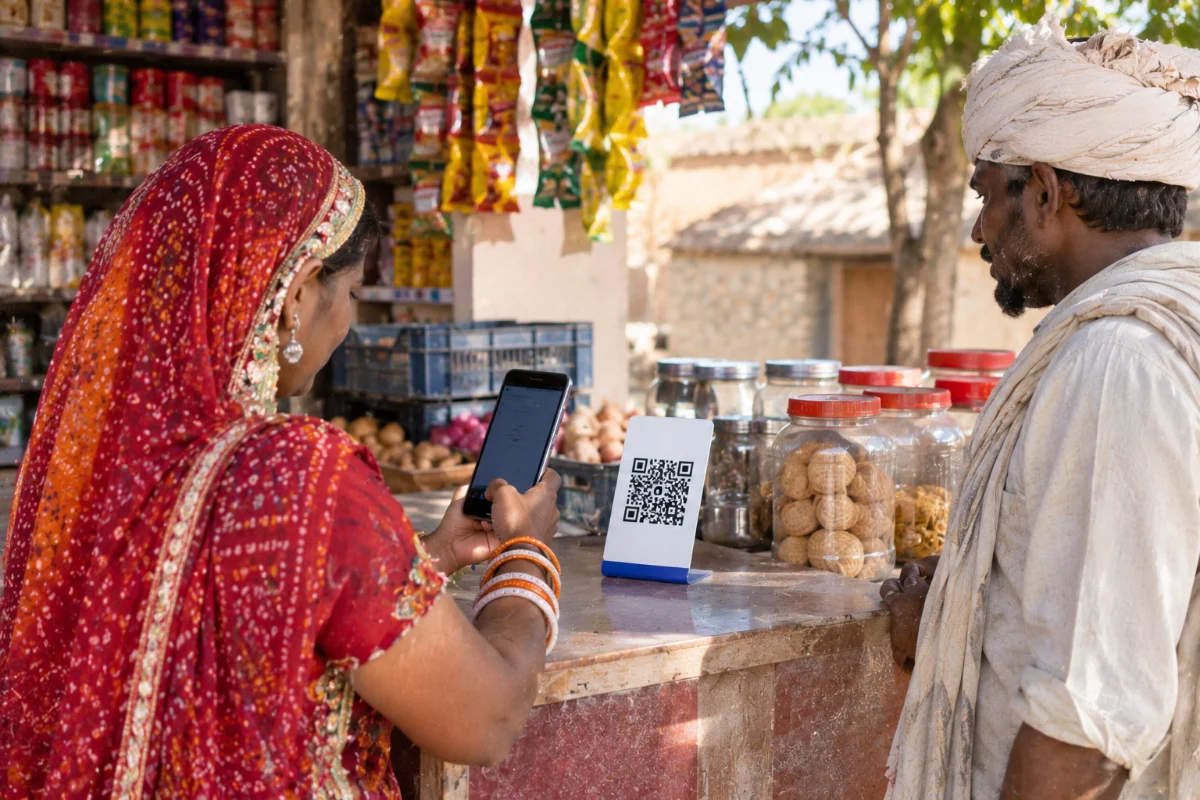
You never need to enter your UPI PIN to receive money. If anyone asks you to scan a QR code or enter your PIN to 'receive' a payment, prize or refund, it is a fraud. This one rule protects against the most common UPI scams.
For shopkeepers, display your own QR code clearly, check the payment confirmation on your own phone or speaker before handing over goods, and do not rely on a screenshot shown by the customer, which can be fake.
Common frauds to watch for
- Fake customer care numbers found through internet searches or messages.
- Calls claiming to be from a bank, asking for OTP, PIN or card details.
- Requests to install screen-sharing apps to 'fix' a problem.
- Collect requests disguised as payments, asking you to approve.
- Messages about lottery wins, job offers or government benefits that ask for a fee.
Banks and government offices do not ask for your PIN or OTP over the phone. When in doubt, hang up and call the official number printed on your passbook or bank card.
If something goes wrong
Act quickly. Call your bank to block the transaction or account, and report cyber fraud on the national helpline 1930 or at the official portal cybercrime.gov.in. Keep screenshots of messages and transaction details. The faster a complaint is made, the better the chance of stopping the money. Also raise a complaint inside the UPI app used for the transaction.
Simple habits for everyday safety
- Check the name shown on screen before confirming any payment.
- Turn on SMS alerts from your bank so that every transaction is reported.
- Keep a small balance in the account linked to UPI and save larger amounts separately.
- Log out of payment apps on shared phones.
These small steps take only a minute but prevent most losses.
Teaching others in your group
Women who are comfortable with digital payments can help others in their self-help group or neighbourhood. A short monthly session on new frauds, a printed list of helpline numbers and practice with small amounts builds confidence. As discussed in our article on [self-help groups and women leadership](/insights/self-help-groups-and-women-leadership-in-rural-rajasthan), shared learning is one of the strongest benefits of group membership.
Small businesses growing beyond the village can also explore selling online; our guide to [women micro-enterprises selling online](/insights/women-micro-enterprises-selling-online-guide) covers the first steps.
Maya's takeaway
UPI is safe when you protect your PIN, remember that a PIN is never needed to receive money, and report any fraud immediately on 1930.
Frequently asked questions
Do I need to enter my UPI PIN to receive money?
No. A UPI PIN is only needed to send money or check your balance. Anyone asking for your PIN to receive money is attempting fraud.
What should I do if I lose money in a UPI fraud?
Call your bank immediately, report on the cyber fraud helpline 1930 or cybercrime.gov.in, and keep screenshots and transaction details.
Is it safe to accept payment screenshots from customers?
No. Always check the confirmation on your own phone, app or payment speaker before handing over goods.
Sources
This article is general information and a leadership perspective. It is not legal, financial, tax, medical or investment advice. Please consult a qualified professional for your situation. Facts and figures are taken from the public sources listed above and may change.

Maya Godara
Co-Founder & Managing Director, ATTPL HOLDCO / ATTPL GROUP, Jaipur, Rajasthan, India.