
Girls' Education and STEM in Rural Rajasthan
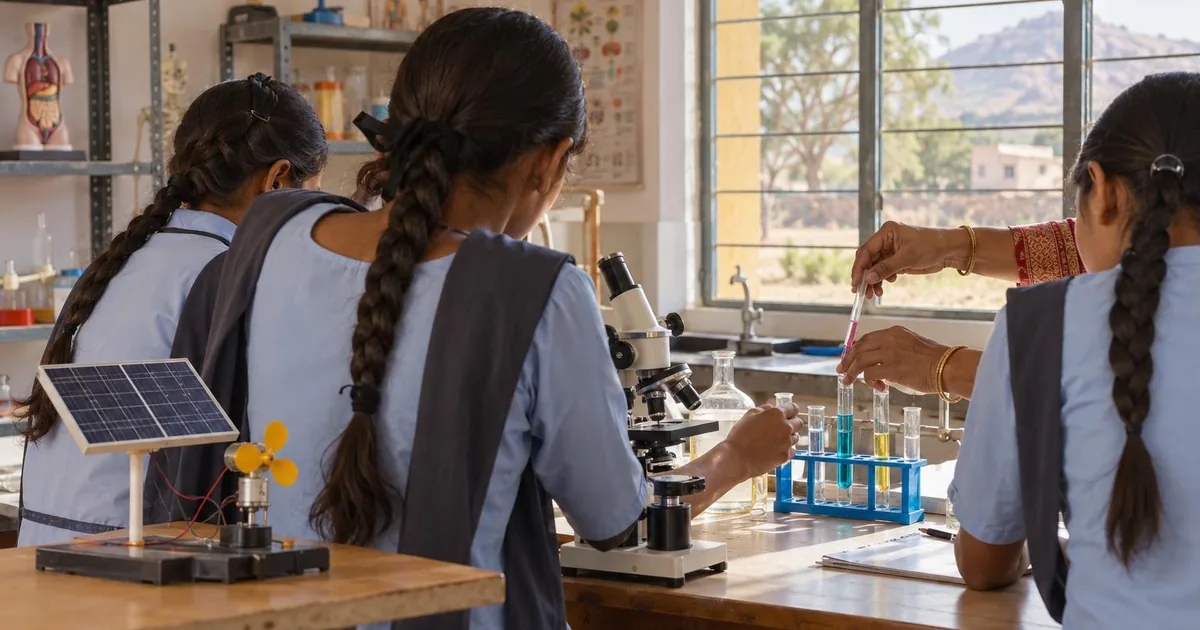
Some of the brightest students I have met in Rajasthan's villages are girls who solve maths problems faster than anyone in class and dream of becoming doctors, engineers or scientists. Too often, those dreams fade between classes eight and twelve, not because of ability but because of distance, safety, household duties and the belief that science is 'not for girls'. Supporting girls in science, technology, engineering and mathematics (STEM) is one of the best investments a community can make.
Why STEM matters for girls
STEM skills open doors to well-paid careers in health, engineering, agriculture, renewable energy, information technology and research. Even for girls who choose other paths, scientific thinking helps in everyday decisions about health, farming and money. Women in STEM careers also become role models who change how the next generation sees what girls can do.
Barriers girls face
- Distance to secondary schools with science streams and labs.
- Concerns about safety while travelling.
- Household and care work that cuts study time.
- Early marriage pressures.
- Lack of female science teachers and role models.
- Limited access to devices and the internet.
What families can do
Parents are the first and most important supporters. Encourage curiosity at home, share household work fairly between sons and daughters, and treat a daughter's education as seriously as a son's. Keep her in school through class twelve and beyond, and look into scholarships available through the National Scholarship Portal and state schemes. Most of all, tell her that she can choose science if she loves it.
What schools can do
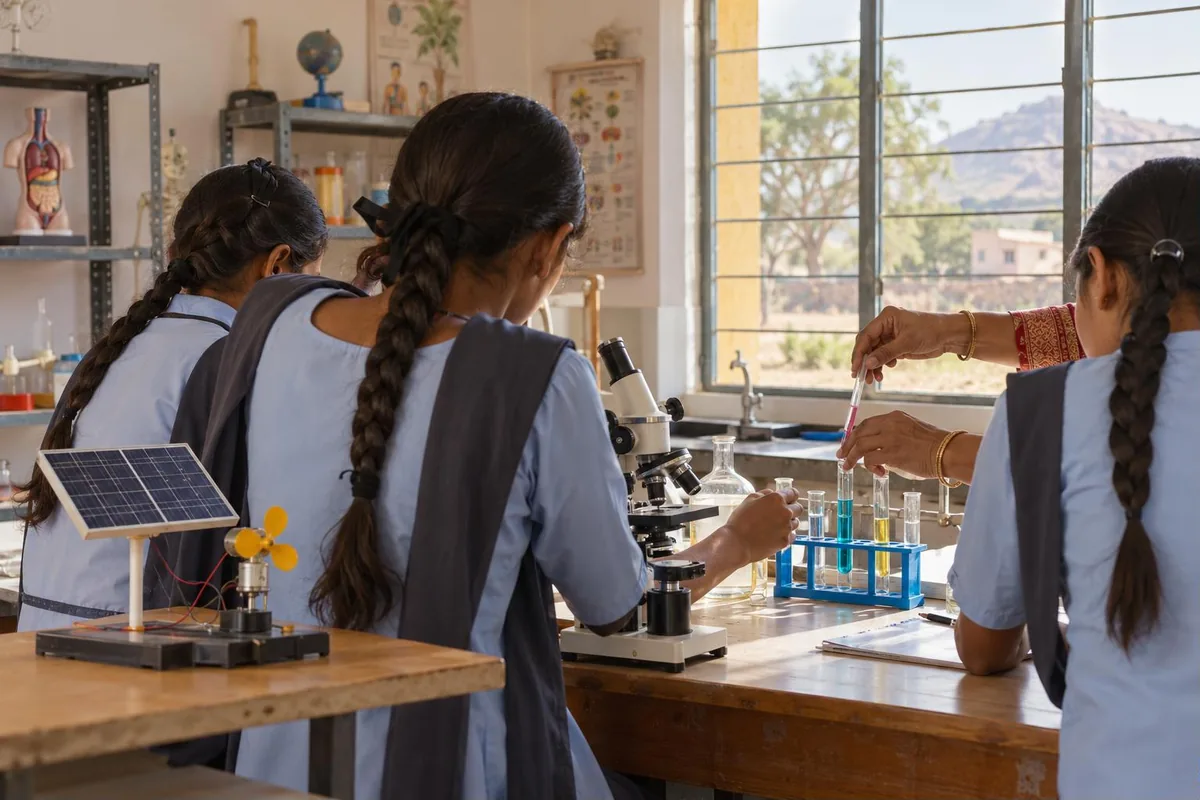
Practical, hands-on learning makes science come alive. Simple experiments, science clubs, Atal Tinkering Labs where available, field visits to farms, solar plants and health centres, and talks by women professionals help girls connect lessons to real life. Teachers can make sure girls get equal turns with lab equipment and computers, and can encourage them to take part in science fairs and olympiads.
What communities and panchayats can do
- Support safe transport, such as group travel or bicycles for girls.
- Set up community study spaces with good lighting and internet.
- Celebrate girls who do well in board exams and competitions.
- Invite women engineers, doctors and entrepreneurs to speak in schools.
- Use panchayat funds and CSR partnerships for science labs and libraries.
Digital skills are now part of every STEM path; my earlier article on [digital literacy for rural women](/insights/digital-literacy-for-rural-women-where-skill-development-starts) explains why this foundation matters, and I have also written about [rural youth skilling in Rajasthan](/insights/rural-youth-skilling-rajasthan-matching-training-to-local-jobs).
Stories that inspire
Over the years I have met young women from small towns and villages of Rajasthan who became nurses, laboratory technicians, software developers, engineers and agriculture graduates because one teacher believed in them or one parent refused to let them drop out. Their journeys were rarely easy, but each of them now pulls other girls forward. Schools and panchayats can collect and share such local stories, because a role model from one's own district is far more powerful than a distant celebrity.
Mothers play a special role. A mother who could not complete her own schooling often becomes her daughter's strongest champion when she sees what education can do.
From classroom to career
Girls need guidance on which subjects to choose, which entrance exams matter and how to apply for courses and scholarships. Career counselling in classes nine to twelve can make a decisive difference. Businesses can help with internships and apprenticeships; across the ATTPL group, companies such as [ATTPL IT](https://it.attplgroup.com/) and [ATTPL Solar](https://solar.attplgroup.com/) work in technology and energy fields where we want to see more young women from Rajasthan build careers.
A shared responsibility
When a village decides that its daughters will study science and technology, it changes its own future. I invite parents, teachers, panchayat leaders and businesses to work together on this. Read more about my work in the [ecosystem](/ecosystem) section, or [contact me](/contact-us) to collaborate.
Maya's takeaway
Rural girls do not lack talent for science; they need safe access, encouragement and role models. Families, schools and communities can provide all three.
Frequently asked questions
Why should girls study STEM subjects?
STEM opens doors to well-paid careers in health, engineering, technology, agriculture and energy, and builds problem-solving skills useful in every field.
What scholarships can girls apply for?
Students can check central and state scholarships on the National Scholarship Portal and the Rajasthan government's scholarship portals.
How can a village support girls in science?
By ensuring safe transport, study spaces, internet access, recognition of achievements and talks by women professionals.
Sources
This article is general information and a leadership perspective. It is not legal, financial, tax, medical or investment advice. Please consult a qualified professional for your situation. Facts and figures are taken from the public sources listed above and may change.
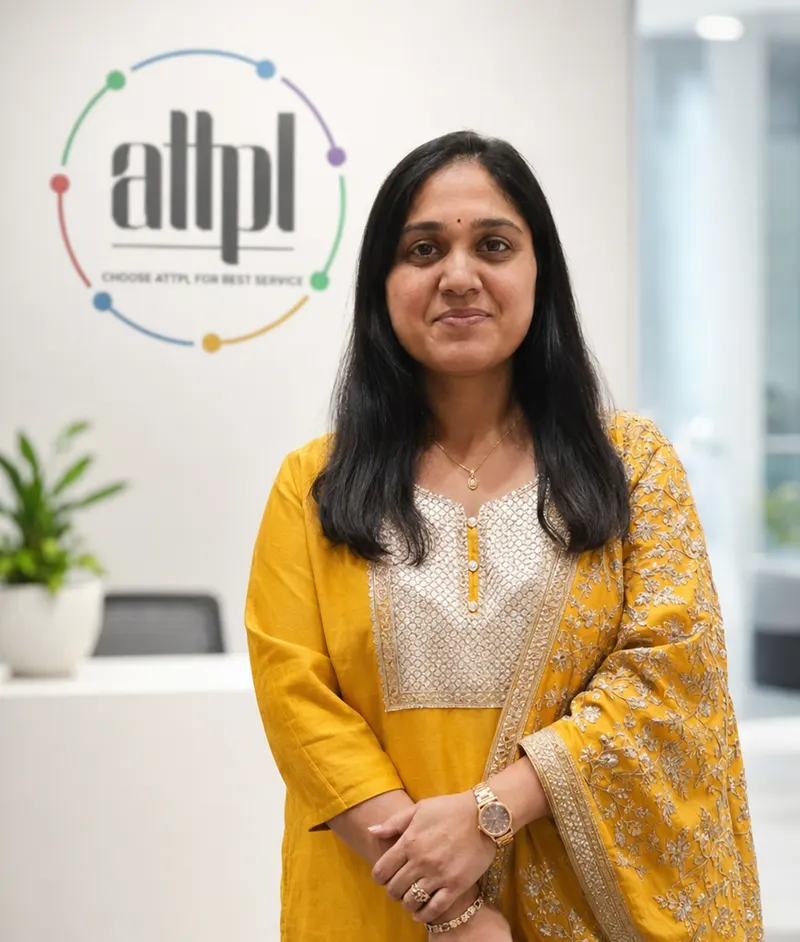
Maya Godara
Co-Founder & Managing Director, ATTPL HOLDCO / ATTPL GROUP, Jaipur, Rajasthan, India.
More from Maya Godara
Self-Help Groups and Women's Leadership in Rural Rajasthan
How self-help groups build women's leadership in rural Rajasthan: savings and credit, livelihoods, decision-making and what helps SHG leaders grow.
Read the article