
Online Safety for Women: A Cyber Hygiene Guide
Smartphones have brought banking, learning, business and family conversations into the hands of millions of women across India, including in small towns and villages of Rajasthan. That access is empowering, but it also brings risks: fraud calls, fake profiles, account takeovers and online harassment. Good cyber hygiene, like good physical hygiene, is a set of small daily habits. This guide explains practical steps any woman can follow to stay safer online, and what to do quickly if something goes wrong, including how to use the national cybercrime helpline 1930.

Why Online Safety for Women Needs Attention
Women are often targeted in specific ways online, from impersonation and morphed images to stalking and threats. Women entrepreneurs selling through social media or messaging apps face additional risks such as payment fraud and fake orders. Fear of these risks can push women away from digital tools altogether, which is a loss for their education, income and independence.
The goal is not to be afraid of technology but to use it with confidence. Digital literacy is part of the broader empowerment agenda discussed in Maya Godara's [insights](https://mayagodara.com/insights).
Core Cyber Hygiene Habits
These everyday habits close most of the doors that criminals try to use:
- Use a strong, unique password or PIN for your phone, email and banking apps.
- Turn on two-step verification wherever it is offered.
- Never share OTPs, UPI PINs or passwords, even with someone claiming to be from a bank.
- Update your phone and apps regularly.
- Install apps only from the official app store and review the permissions they ask for.
- Lock your phone screen and avoid lending it unlocked.
Small businesses run by women can go further with the steps in this [cybersecurity checklist for small businesses](https://it.attplgroup.com/cybersecurity-checklist-small-businesses-india/).
Protecting Privacy on Social Media and Messaging Apps
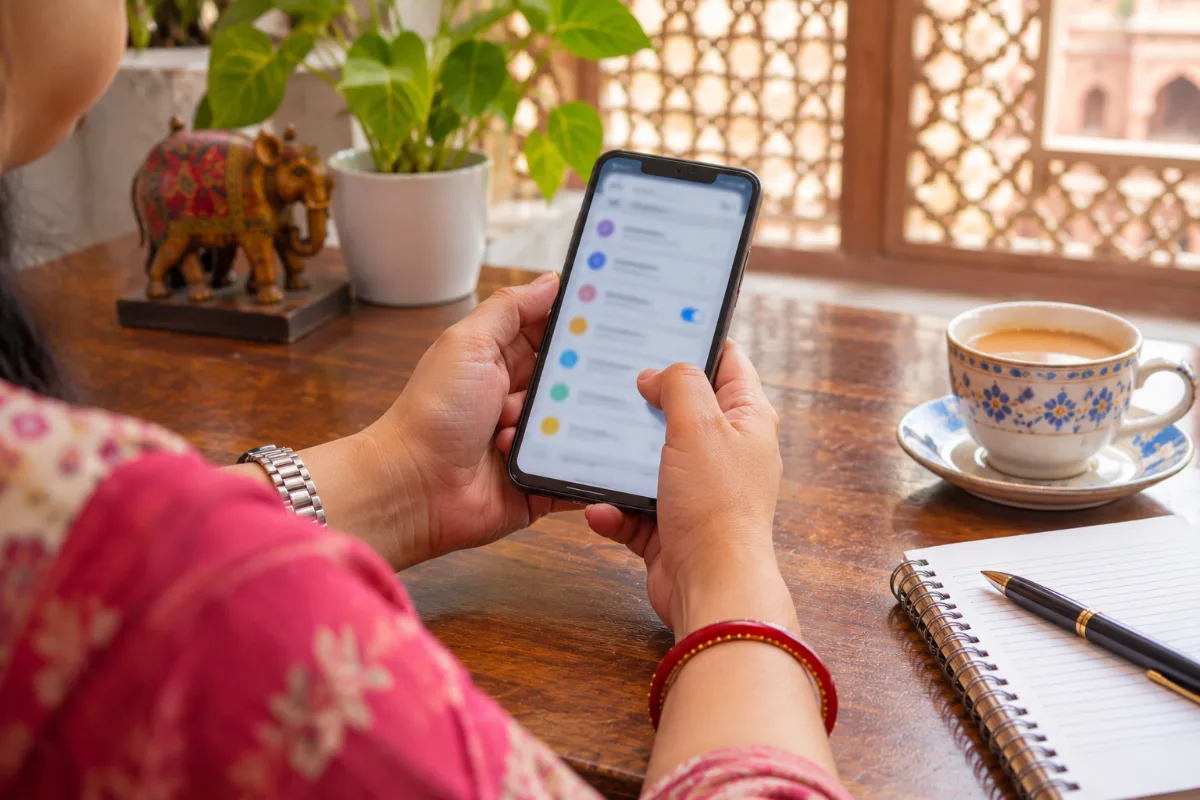
Review privacy settings on every platform you use. Limit who can see your photos, phone number and friend list. Avoid posting live locations, children's school names or travel plans in public. Be careful about accepting requests from unknown profiles, even if they share mutual friends.
If you use messaging apps for a home business, keep a separate business number where possible and set clear communication rules. This guide to [professional WhatsApp customer communication](https://crm.attplai.com/blog/whatsapp-crm-customer-communication-guide) offers useful ideas on keeping business conversations organised.
Recognising Common Scams
Most fraud depends on urgency and trust. Be cautious with:
- Calls or messages claiming your account will be blocked unless you act now.
- Requests to scan a QR code to receive money; scanning is for paying, not receiving.
- Job offers that ask for a registration fee.
- Links promising prizes, loans or cashback.
- Video calls from strangers that may be recorded for blackmail.
When in doubt, pause, disconnect and verify through an official number you find yourself. Genuine banks, government offices and employers do not pressure you to act within minutes, and they will not be offended if you call back to confirm. Teaching this simple habit to older family members is one of the most effective protections a household can have.
What to Do If You Face Fraud or Harassment
Act quickly. For financial fraud, call the national cybercrime helpline 1930 as soon as possible, because early reporting can improve the chance of stopping a transaction. You can also file a complaint on the National Cyber Crime Reporting Portal at cybercrime.gov.in, which has a specific option for crimes against women and children.
- Take screenshots of messages, profiles, transaction IDs and links.
- Do not delete the conversation before saving evidence.
- Inform your bank immediately for any payment fraud.
- Block and report the account on the platform.
- Tell a trusted family member or friend so you are not handling it alone.
Where a matter needs legal follow-up, guidance on [litigation and legal remedies](https://legal.attplai.com/services/litigation-services) can help you understand the options. This is general information, not legal advice.
Building a Safer Digital Community
Online safety improves fastest when women learn together. Self-help groups, college clubs and workplace teams can hold short sessions on settings, scams and reporting. Mothers and daughters can teach each other, and young women who are confident with phones can help neighbours check privacy settings and spot suspicious messages. More about the community-focused approach behind this work is in the [key verticals](https://mayagodara.com/key-verticals).
Invite a Digital Safety Conversation
Institutions and community groups interested in digital safety awareness for women can [connect with us through the contact page](https://mayagodara.com/contact-us).
Maya's takeaway
Strong passwords, two-step verification and a habit of pausing before acting prevent most online harm. If something goes wrong, call 1930 or report on cybercrime.gov.in without delay.
Frequently asked questions
What is the national cybercrime helpline number?
The national cybercrime helpline number is 1930. It is especially useful for reporting financial fraud quickly so that action can be attempted on the transaction.
How can women report online harassment in India?
Complaints can be filed on the National Cyber Crime Reporting Portal at cybercrime.gov.in, which has a section for crimes against women and children. You can also approach the local police station.
Is it safe to share an OTP with bank staff?
No. Banks do not ask for OTPs, UPI PINs or passwords. Anyone asking for these should be treated as a likely fraudster.
Sources
This article is general information and a leadership perspective. It is not legal, financial, tax, medical or investment advice. Please consult a qualified professional for your situation. Facts and figures are taken from the public sources listed above and may change.
Maya Godara
Co-Founder & Managing Director, ATTPL HOLDCO / ATTPL GROUP, Jaipur, Rajasthan, India.
More from Maya Godara
Women-Led Dairy Cooperatives in Rajasthan: A Practical Path
How women-led dairy cooperatives in Rajasthan build steady rural income through collective milk collection, fair pricing, training and shared ownership.
Read the articleCareer Guidance for Rural Girls After Class 12
Career guidance roadmap for rural girls after Class 12: degree, skill and professional options, scholarships, entrance exams and family support.
Read the articleWomen and Property Rights: Why Joint Ownership Matters
Why property in a woman's name or joint name matters for rural families: equal inheritance, joint ownership, mutation, documents and practical steps.
Read the article