
Record-Keeping for Self-Help Groups: Simple Books That Build Trust
Self-help groups run on trust, and trust runs on clear records. When every rupee saved and lent is written down and shared in meetings, members feel secure, disputes reduce and banks are more willing to lend.
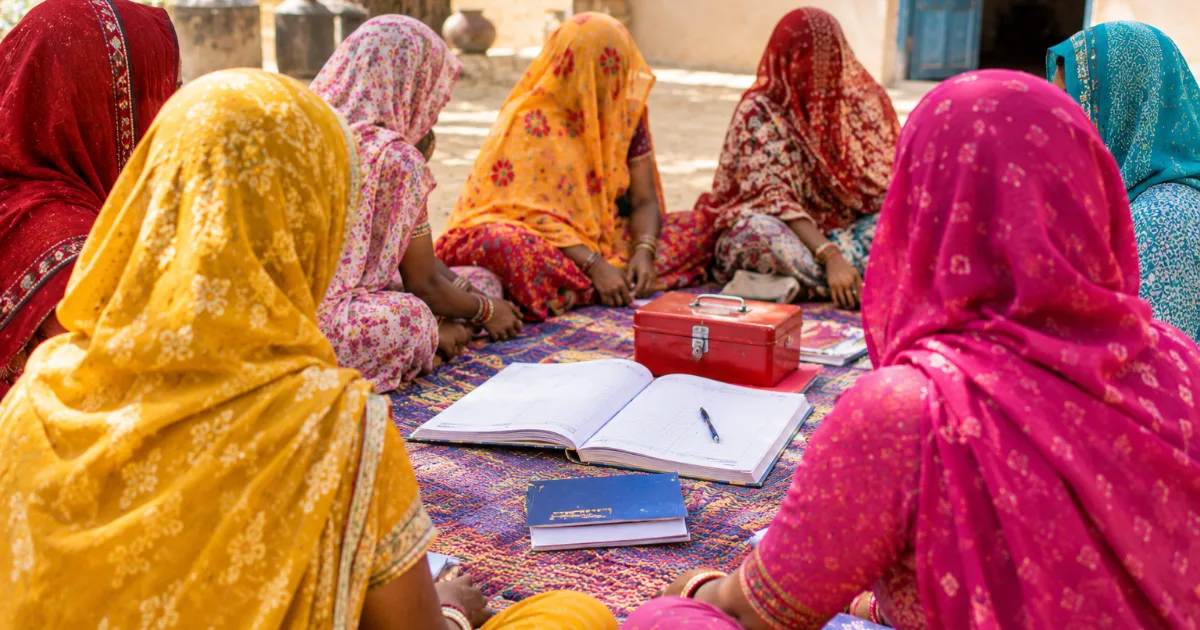
Essential registers
- Attendance and meeting minutes register: date, members present, decisions taken.
- Savings register: each member’s regular savings and total balance.
- Loan register: loans given to members, purpose, interest, repayments and balance.
- Cash book: all money received and paid, with daily or meeting-wise balance.
- Bank passbook: kept updated and matched with the cash book.
- Member ledger: individual account of savings and loans for each member.
Good practices
- Write entries during the meeting and read them aloud.
- Get two members to sign or verify entries.
- Deposit cash in the bank promptly instead of keeping it at home.
- Rotate the responsibility of book-keeping so more members learn.
- Keep receipts and bank slips together with the books.
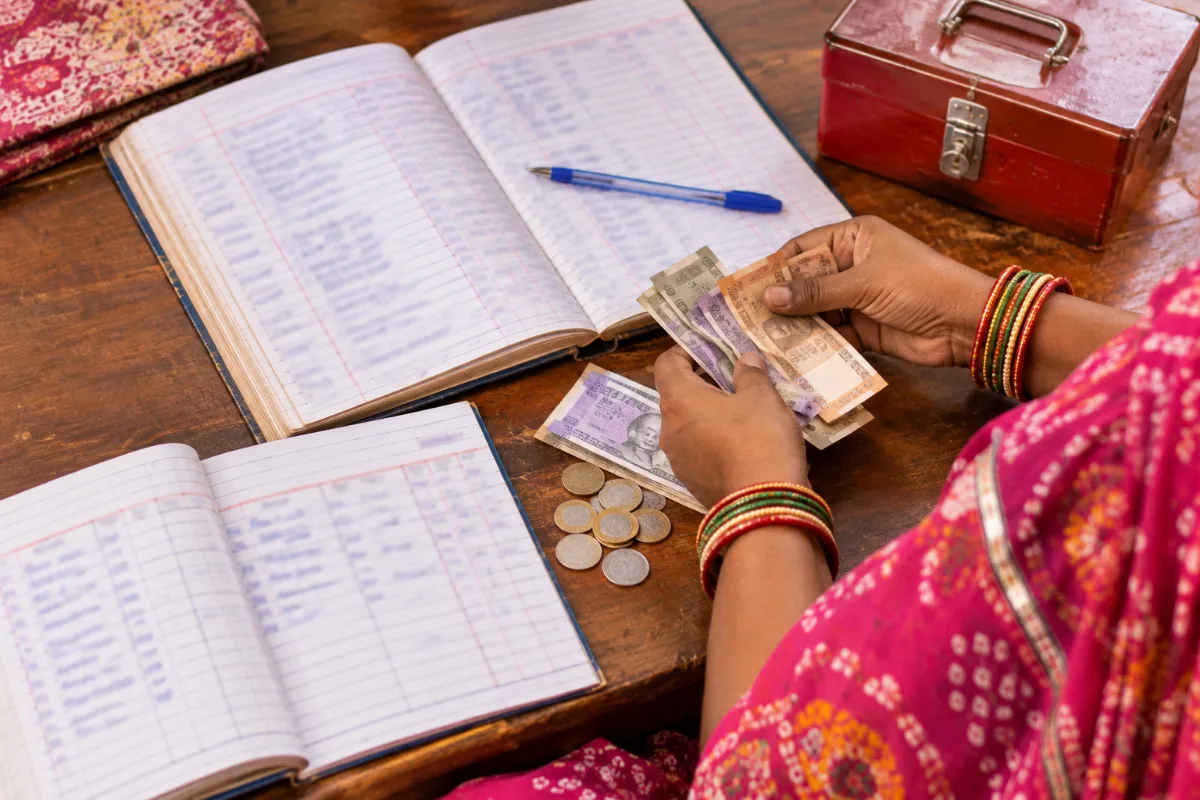
Going digital
Many SHGs now use mobile apps or simple spreadsheets alongside paper registers. Digital records reduce errors and make reports easy to share with federations and banks. Digital payments also need safety habits; see [women and digital payments](/insights/women-and-digital-payments-upi-safety-guide) and [digital literacy for rural women](/insights/digital-literacy-for-rural-women-where-skill-development-starts).
Why records matter for growth
Banks and programmes assess SHGs on regular meetings, savings, repayment and record quality before credit linkage. Strong books lead to larger loans and more opportunities for members’ enterprises, as seen in the [Lakhpati Didi approach](/insights/lakhpati-didi-building-livelihoods-through-self-help-groups). For dairy and agri enterprises run by groups, ATTPL Agri’s guide on [dairy as a side income](https://agri.attplai.com/blog/dairy-farming-side-income-farmers-rajasthan) is a useful companion.
Maya's takeaway
Frequently asked questions
Who should keep the SHG books?
A trained book-keeper or member, with entries verified by other members during meetings.
How often should books be updated?
At every meeting, with bank passbook updates after each deposit or withdrawal.
Can SHG records be kept on a phone?
Yes, many groups use apps, but keeping a paper backup is wise.
Sources
This article is general information and a leadership perspective. It is not legal, financial, tax, medical or investment advice. Please consult a qualified professional for your situation. Facts and figures are taken from the public sources listed above and may change.

Maya Godara
Co-Founder & Managing Director, ATTPL HOLDCO / ATTPL GROUP, Jaipur, Rajasthan, India.
More from Maya Godara
Kitchen Gardens for Better Nutrition in Rural Families
How rural families can grow a kitchen garden (poshan vatika) for better nutrition: choosing plants, saving water, seasons and support.
Read the articleWomen and Property Rights: Why Joint Ownership Matters
Why property in a woman's name or joint name matters for rural families: equal inheritance, joint ownership, mutation, documents and practical steps.
Read the articleLakhpati Didi: Building Livelihoods Through SHGs
How self-help group women can build steady incomes: the Lakhpati Didi goal, choosing a livelihood, skills, credit, markets and support from Rajeevika.
Read the article