
Menstrual Hygiene Awareness for Rural Girls
For many girls in rural areas, the first period comes with confusion, silence and restrictions. Some miss school for days each month because there is no clean toilet, water or private place to change. Menstruation is a normal part of growing up. Talking about it openly, and making safe products and facilities available, helps girls stay healthy, confident and in school.
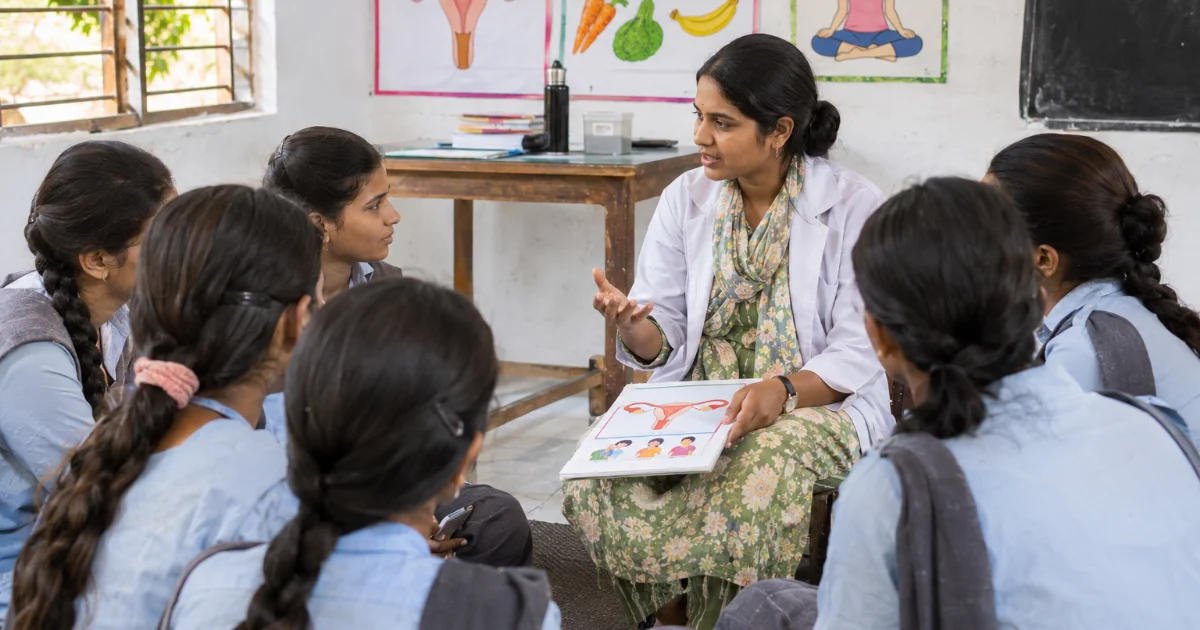
Breaking the silence
Myths and shame around periods are still common. Girls may be told not to enter the kitchen, touch certain things or speak about it. Mothers, teachers and ASHA workers can change this by explaining periods simply and early — before the first period begins — so that girls are prepared rather than frightened. Fathers and brothers also have a role in creating a supportive home.
Safe products and hygiene
- Use clean sanitary pads, or clean cotton cloth that is washed with soap and dried fully in the sun.
- Change pads or cloth regularly through the day.
- Wash hands before and after changing.
- Keep the genital area clean with water; avoid harsh soaps inside.
Menstrual cups are another option for older girls and women after proper guidance.
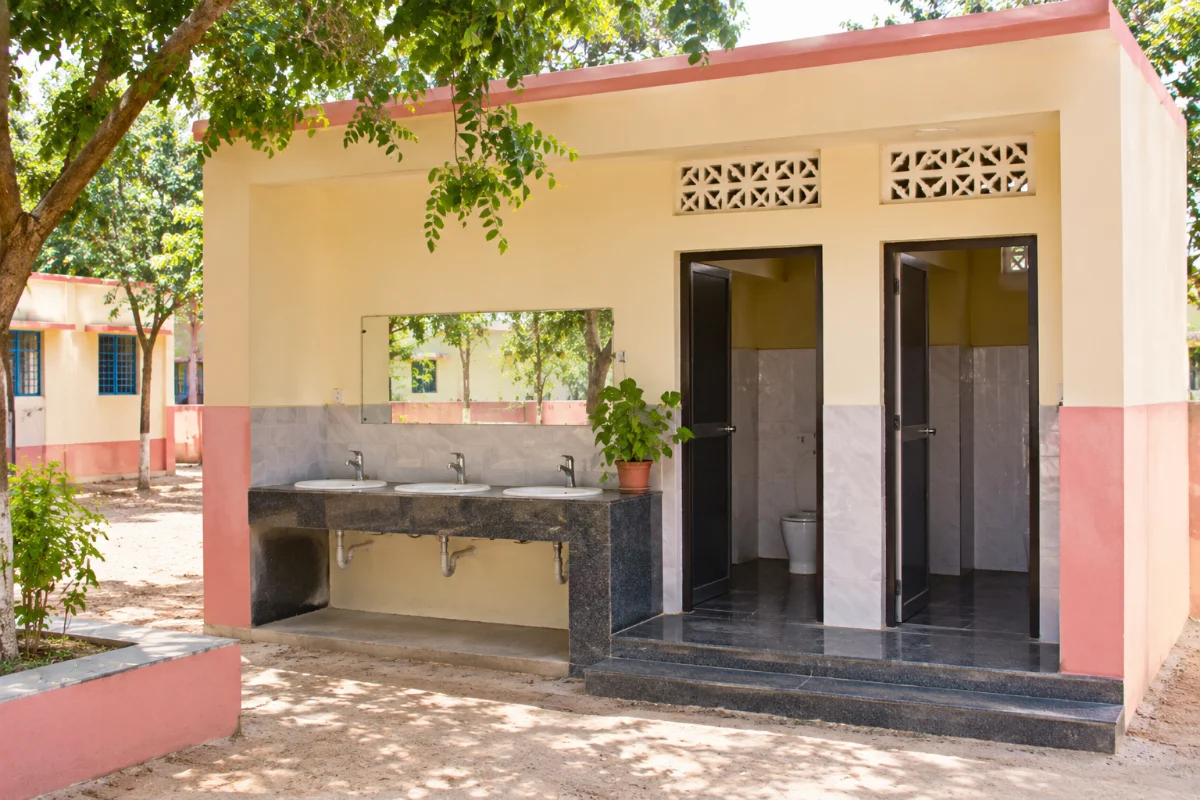
Schools and facilities
Separate, clean toilets with water, a door that locks and a disposal bin make a huge difference to attendance. Schools can keep emergency pads and allow girls to step out when needed. Several government programmes support distribution of low-cost or free sanitary napkins to adolescent girls, including through schools and health workers; ask the local ANM, ASHA or school for the current scheme. Our article on [girls' education and STEM in rural Rajasthan](/insights/girls-education-and-stem-in-rural-rajasthan) explains why keeping girls in school matters.
Safe disposal
Used pads should be wrapped in paper and put in a covered bin, not thrown in open fields, ponds or toilets. Villages and schools can set up simple incinerators or disposal systems with panchayat support. Proper disposal protects the environment and the health of sanitation workers.
When to see a doctor
Girls should see a health worker or doctor if periods are very painful, very heavy, last much longer than usual, or stop for several months. Anaemia is common among adolescent girls, so iron-rich food and check-ups are important; our guide to [nutrition for mothers and children](/insights/nutrition-for-mothers-and-children-rural-guide) gives simple food tips.
Common myths and facts
- Myth: a girl is impure during her period. Fact: menstruation is a normal body process and nothing to be ashamed of.
- Myth: girls should not bathe during periods. Fact: bathing and keeping clean are important for hygiene and comfort.
- Myth: exercise and play should stop. Fact: light activity and normal routines are usually fine and may ease cramps.
- Myth: certain foods must be avoided. Fact: a balanced diet with iron-rich foods is helpful.
Replacing myths with facts takes patience, but it changes how girls feel about themselves.
How families can help
Mothers can talk openly with daughters, fathers can ensure money for pads is part of the household budget, and brothers can be taught not to tease. Families can make sure there is a private, clean space at home to change and dry cloth in the sun. Small acts of support make girls feel respected and confident.
Role of SHGs and the community
Women's self-help groups in many states make and sell affordable sanitary pads, creating both awareness and income. Our article on [self-help groups and women leadership](/insights/self-help-groups-and-women-leadership-in-rural-rajasthan) explains how such groups grow. Basic health tests for women are explained by [ATTPL Healthcare](https://health.attplai.com/blog), and small enterprise guidance by [ATTPL Consultancy](https://consultancy.attplai.com/).
Maya's takeaway
Periods are normal. With honest talk, clean products, safe toilets and supportive families, rural girls can manage menstruation with dignity and stay in school.
Frequently asked questions
At what age should girls learn about periods?
Before the first period, often around 9 to 11 years, in simple and age-appropriate language.
Is cloth safe to use during periods?
Clean cotton cloth washed with soap and dried fully in the sun can be used safely; damp or dirty cloth can cause infections.
How should used pads be disposed of?
Wrap them in paper and put them in a covered bin or an incinerator, not in open fields, ponds or toilets.
What helps with period pain?
Rest, a warm water bag, light activity and warm drinks often help. Severe pain should be checked by a doctor.
Sources
This article is general information and a leadership perspective. It is not legal, financial, tax, medical or investment advice. Please consult a qualified professional for your situation. Facts and figures are taken from the public sources listed above and may change.
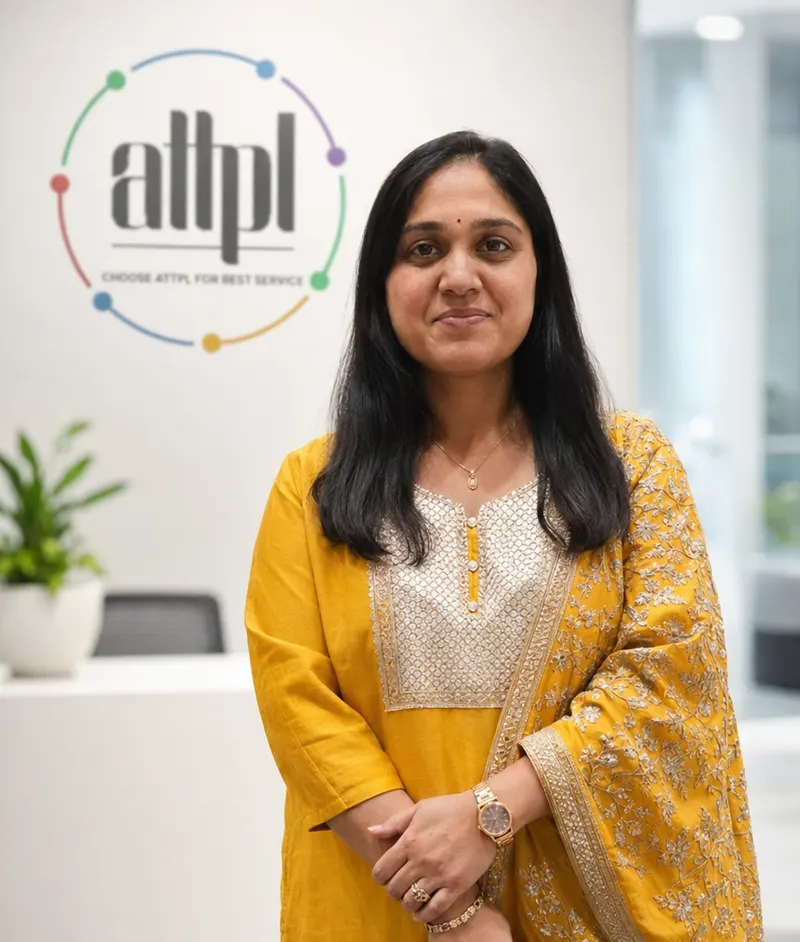
Maya Godara
Co-Founder & Managing Director, ATTPL HOLDCO / ATTPL GROUP, Jaipur, Rajasthan, India.