
Women in Panchayat Leadership: A 100-Day Plan for a New Sarpanch
As Rajasthan votes in its 2026 panchayat elections, thousands of women will take on the role of Sarpanch, Panch and member of local bodies. The first hundred days decide whether they are heard as leaders from the start.
The first 100 days set the tone
People judge a new leader quickly. A clear plan shows seriousness and creates early trust.
Days 1 to 30: learn and listen
- Understand the constitutional and institutional role of the Sarpanch and the Gram Sabha.
- Meet officials, ward members and key community groups.
- Review accounts, pending works and sanctioned schemes.
Days 31 to 60: map and prioritise
- List citizen issues and group them by department and scheme.
- Choose three to five priorities with community input.
- Prepare simple project proposals with costs and timelines.
Days 61 to 100: deliver and report
- Start quick, visible works within the rules.
- Hold a Gram Sabha to report progress and take feedback.
- Publish a one-page development blueprint for the coming years.
Learning support
ATTPL EMS runs a Democratic Leadership Academy with tracks for Sarpanch, Pradhan, Zila Parishad, councillor and legislator roles. It is a private education programme and not a government qualification.
Maya's takeaway
A woman leader who listens first, plans in public and delivers one visible result in a hundred days earns the right to attempt much more. Preparation is the great equaliser.
Frequently asked questions
Is the ATTPL EMS Academy a government course?
No. It is a private learning programme and does not replace any official qualification or training.
Sources
This article is general information and a leadership perspective. It is not legal, financial, tax, medical or investment advice. Please consult a qualified professional for your situation. Facts and figures are taken from the public sources listed above and may change.
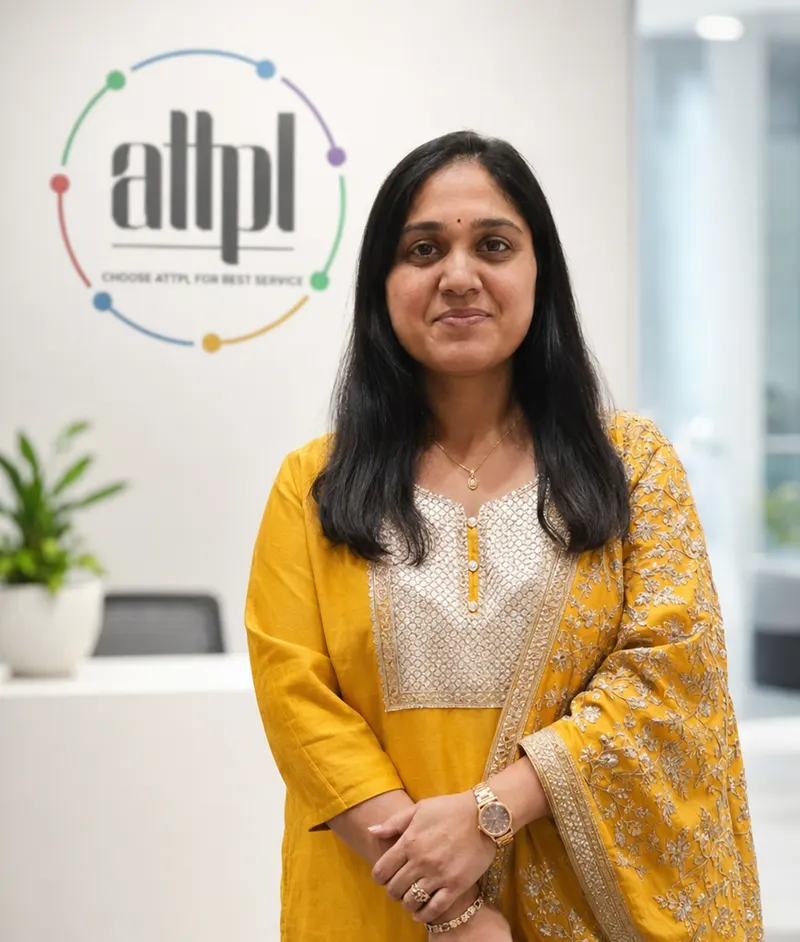
Maya Godara
Co-Founder & Managing Director, ATTPL HOLDCO / ATTPL GROUP, Jaipur, Rajasthan, India.
More from Maya Godara
Self-Help Groups and Women's Leadership in Rural Rajasthan
How self-help groups build women's leadership in rural Rajasthan: savings and credit, livelihoods, decision-making and what helps SHG leaders grow.
Read the article