
Financial Confidence for Women Entrepreneurs: Credit Score and Bookkeeping Basics
Financial skills are among the strongest forms of empowerment, because they let a woman say yes to a loan, a contract or an expansion with her eyes open. Two habits matter most: keep clean books and protect your credit score.
Good books are a business asset
Clean records help you price correctly, get loans, file taxes on time and, one day, sell the business at a fair value.
A simple bookkeeping system
- Separate business and personal bank accounts.
- Record every sale and expense with a document.
- Use accounting software that supports GST.
- Reconcile bank statements every month.
- Close the month by reviewing receivables, payables and tax dues.
- Keep records for the period the law requires.
Protect your credit score
- Pay EMIs and card bills on or before the due date.
- Keep credit card utilisation well below the limit.
- Avoid many loan applications in a short period.
- Keep older accounts in good standing.
- Check your credit report regularly and dispute errors.
- Do not co-sign a loan unless you can repay it.
If your score is low
Start by clearing overdue amounts, settle accounts properly and build a clean record over several months. For business loans, both the promoter's and the business's credit matter.
Maya's takeaway
Confidence comes from knowing your numbers. An hour a week with your books and a calendar for payment dates will do more for your business than any single scheme.
Frequently asked questions
How often should I check my credit report?
At least once or twice a year, and before you apply for a major loan. You can request reports from credit bureaus.
Sources
This article is general information and a leadership perspective. It is not legal, financial, tax, medical or investment advice. Please consult a qualified professional for your situation. Facts and figures are taken from the public sources listed above and may change.
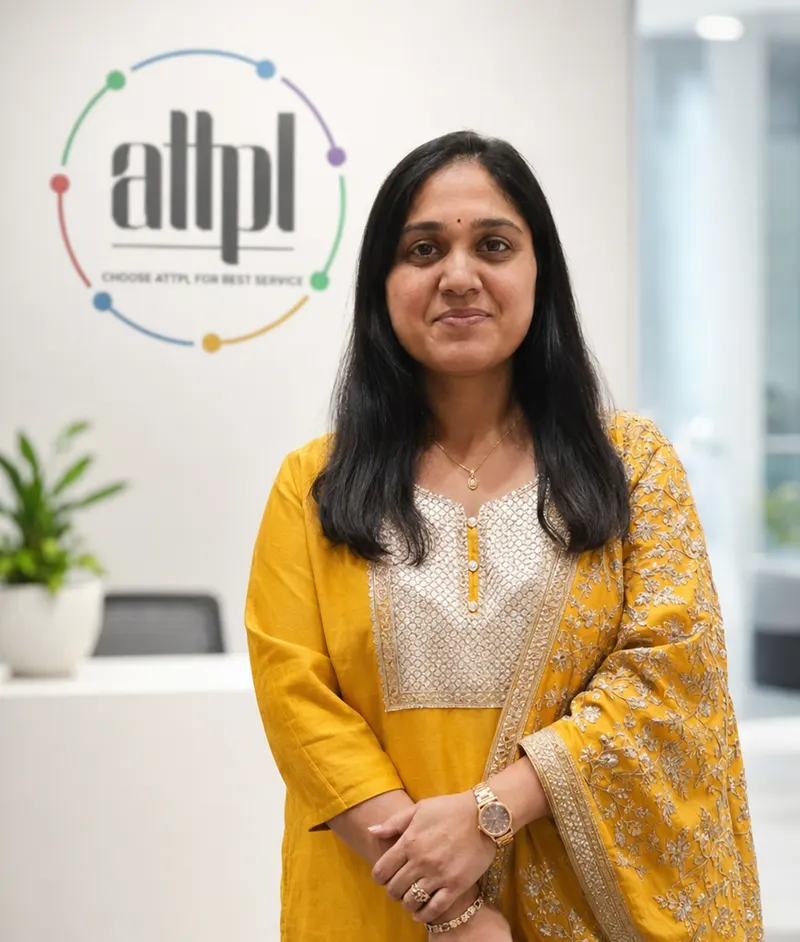
Maya Godara
Co-Founder & Managing Director, ATTPL HOLDCO / ATTPL GROUP, Jaipur, Rajasthan, India.
More from Maya Godara
Financial Literacy for Rural Women: Savings, Insurance and Pensions
A simple guide to financial literacy for rural women: bank accounts, saving habits, low-cost insurance and pension schemes, credit and avoiding fraud.
Read the article